How to Choose the Right Water Filtration System for Your Home or Business
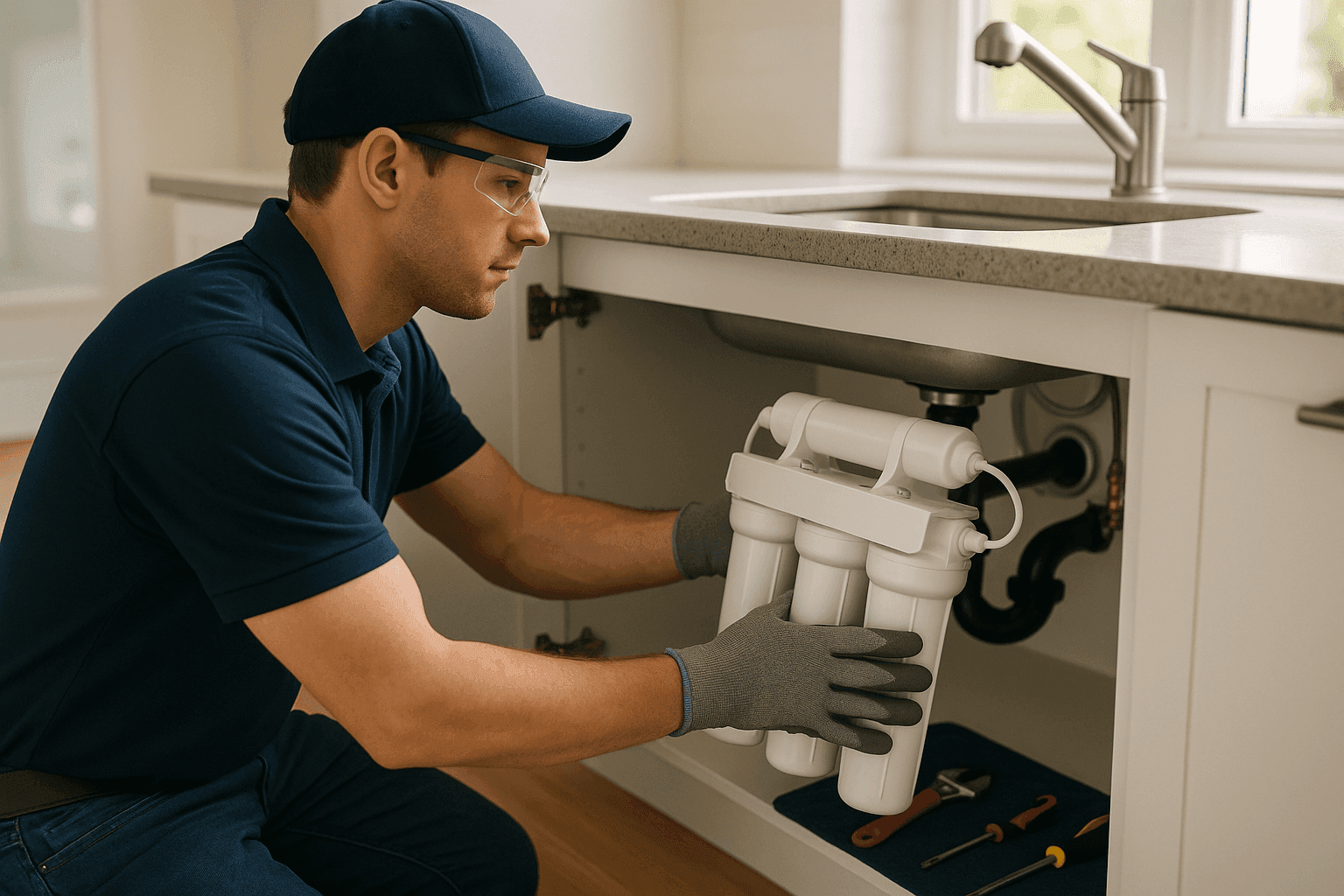
Are you tired of worrying about what’s really in your water? Whether you’re a homeowner or running a small business, clean water isn’t just a nice-to-have—it’s essential. Contaminants can sneak in unnoticed, affecting taste, safety, and even your plumbing.
At Dakota Plumbing, we know the difference a good water filtration system can make. Let’s walk through how to choose the right one, keep it running smoothly, and make sure your water stays safe all year long.
Why Water Filtration Systems Matter
Think of your plumbing as the veins of your property. When the water running through them is clean, everything works better—appliances last longer, pipes stay clearer, and your family or customers stay healthier.
Unfiltered water can contain:
- Sediment and rust
- Chlorine and chemical residues
- Bacteria, viruses, and parasites
- Heavy metals like lead or mercury
These aren’t just invisible threats. Over time, they can clog pipes, damage fixtures, and even pose health risks. That’s why having the right filtration system is like giving your property a shield against the unknown.
Types of Water Filtration Systems 🛠️
Choosing a system is a bit like picking out shoes. The best fit depends on your needs, your property, and your budget. Here are the main types:
Activated Carbon Filters
- How they work: Like a sponge for impurities, these filters trap chlorine, sediment, and some volatile organic compounds.
- Best for: Improving taste and odor, removing basic contaminants.
- Where to use: Under-sink, faucet, or whole-house systems.
Reverse Osmosis (RO) Systems
- How they work: Water is pushed through a semi-permeable membrane, removing up to 99% of dissolved salts, lead, and other contaminants.
- Best for: Areas with high levels of dissolved solids or where water quality is especially poor.
- Where to use: Kitchen sinks, commercial kitchens, or anywhere you need ultra-pure water.
Ultraviolet (UV) Disinfection
- How they work: UV light zaps bacteria, viruses, and parasites, making water microbiologically safe.
- Best for: Properties using well water or where microbial contamination is a risk.
- Where to use: As a final stage after other filtration.
Whole-House Filtration
- How they work: Treats all water entering your property, protecting every tap and appliance.
- Best for: Larger homes, businesses, or anyone wanting full-property protection.
- Where to use: Installed at the main water line.
Specialty Filters
- Examples: Iron filters, water softeners, sediment filters.
- Best for: Specific issues like hard water, iron staining, or heavy sediment.
Key Factors to Consider Before You Buy
Don’t just grab the first filter you see. Take a moment to think about what you really need.
1. Test Your Water
Get a water quality test, either through a certified lab or a reliable home test kit. Look for:
- Lead
- Chlorine
- Bacteria
- Hardness (calcium, magnesium)
- Nitrates and other chemicals
The results will point you in the right direction. For more on water quality standards, check resources from the Environmental Protection Agency (EPA) and your local health department.
2. Know Your Property Size
A small under-sink filter might be perfect for an apartment. But a big home or business with multiple bathrooms? You’ll want something more robust.
3. Set Your Budget
Filtration systems range from simple pitchers to advanced multi-stage setups. Remember to factor in installation and maintenance costs—not just the sticker price.
4. Consider Flow Rate
No one likes a shower that dribbles. Make sure your chosen system can handle your household or business’s water demand without slowing things down.
5. Think About Maintenance
Filters need changing. Some systems need annual servicing. Ask yourself: How much time (and money) are you willing to invest in upkeep?
Quick Safety Checklist
Before you install or upgrade your water filtration system, keep these safety tips in mind:
- Check for leaks: After installation, inspect all connections. Even a small drip can cause damage or mold.
- Use certified parts: Look for NSF or WQA certification to ensure filters meet safety standards.
- Follow manufacturer instructions: Every system is different. Don’t skip steps.
- Turn off water supply: Always shut off your main water valve before starting work.
- Wear gloves and eye protection: Especially when handling filters or chemicals.
- Test water after installation: Make sure the system is working as expected.
DIY vs. Call a Pro
Installing a water filter might look simple, but there’s more to it than meets the eye. Let’s break it down.
When DIY Makes Sense
- Replacing a countertop or pitcher filter
- Swapping out cartridges on an existing under-sink system
- You’re comfortable with basic plumbing tasks
When to Call Dakota Plumbing
- Installing a whole-house or reverse osmosis system
- Upgrading old pipes or fixtures during installation
- Dealing with complex plumbing layouts
- Unsure about water quality or local plumbing codes
A professional plumber ensures your system is installed safely, up to code, and with minimal disruption. Plus, you’ll avoid costly mistakes that could lead to emergency plumbing calls down the line.
What Pros Do On Arrival
When you call Dakota Plumbing for water filtration installation or service, here’s what you can expect:
- Assessment: We check your water quality, plumbing layout, and pressure.
- System recommendation: Based on your needs, we suggest the right system.
- Proper installation: We use certified parts and follow all safety codes.
- Testing: After installation, we test water flow and quality.
- Walkthrough: We show you how the system works and how to change filters.
Our team is trained to spot hidden issues—like leaks or aging pipes—that could impact your new system.
Maintenance Best Practices 🧰
Just like your car needs oil changes, your water filtration system needs regular TLC. Here’s how to keep things running smoothly:
Change Filters on Schedule
- Carbon filters: Every 3–6 months
- RO membranes: Every 2–3 years
- UV lamps: Annually
Check your manufacturer’s guidelines for exact intervals.
Clean Components
- Wipe down housings when changing filters.
- Flush the system if recommended.
- Sanitize as needed, especially for RO and UV systems.
Watch for Warning Signs
- Drop in water pressure
- Change in taste or odor
- Filter change indicator lights
If you spot any of these, it’s time for a checkup.
Schedule Annual Inspections
A yearly visit from Dakota Plumbing can catch small issues before they become big headaches. We check for leaks, test water quality, and make sure everything is up to code.
Troubleshooting Common Issues
Even the best systems can run into trouble. Here’s what to look for:
- Cloudy water: May indicate a filter needs changing.
- Strange taste or odor: Could be a sign of bacteria or expired filters.
- Low water pressure: Check for clogs or a failing filter.
- Leaks: Inspect all connections and seals.
If you’re unsure or the problem persists, don’t wait—call Dakota Plumbing for help. Emergency plumbing support is available if things get urgent.
Costs & Time Factors
Water filtration systems are an investment, but they don’t have to break the bank.
- Simple pitcher filters: Low cost, easy to maintain
- Under-sink or faucet systems: Moderate price, quick install
- Whole-house or RO systems: Higher upfront cost, more involved installation
Installation time ranges from under an hour (for basic filters) to several hours for whole-house systems. Factor in ongoing maintenance—most filters need changing every few months.
Remember: Skimping on quality or skipping maintenance can lead to bigger expenses down the road, including emergency plumbing repairs.
When It’s an Emergency
Sometimes, water problems can’t wait. If you notice:
- Sudden drop in water pressure
- Discolored or foul-smelling water
- Leaks or flooding around your filtration system
- Signs of contamination (illness, strange taste, or odor)
Shut off your water supply and call Dakota Plumbing immediately. Fast action can prevent damage and keep your water safe.
FAQ
How often should I test my water?
At least once a year, or any time you notice a change in taste, color, or odor. If you use well water, test more frequently—especially after heavy rains or plumbing work.
Do I need a whole-house system or just a kitchen filter?
It depends on your needs. Whole-house systems protect all your plumbing, while point-of-use filters focus on drinking and cooking water. If you have specific concerns (like hard water or iron), a whole-house system may be best.
Can a filtration system remove all contaminants?
No single system removes everything. That’s why many setups use multiple stages—like carbon plus RO or UV. Start with a water test to target the right contaminants.
What certifications should I look for?
Look for NSF International or Water Quality Association (WQA) certifications. These ensure the system meets recognized safety and performance standards.
Special Considerations for Water Filtration Systems
- Regulatory compliance: Make sure your system meets local plumbing and health codes.
- Space constraints: Some systems require more room under sinks or in utility areas.
- Water pressure: Certain filters can reduce flow—check specs before buying.
- Backflow prevention: In some cases, a backflow preventer is required to keep contaminants from re-entering your plumbing.
- Emergency plumbing access: Ensure your system is installed where it can be easily serviced in a pinch.
For more on water safety and standards, consult resources from the Environmental Protection Agency (EPA), the Centers for Disease Control and Prevention (CDC), or the American Water Works Association (AWWA).
Ready for cleaner, safer water? Call Dakota Plumbing now — or reach us anytime at 888-853-6782 .