Commercial Plumbing Maintenance Checklist: Avoid Costly Downtime
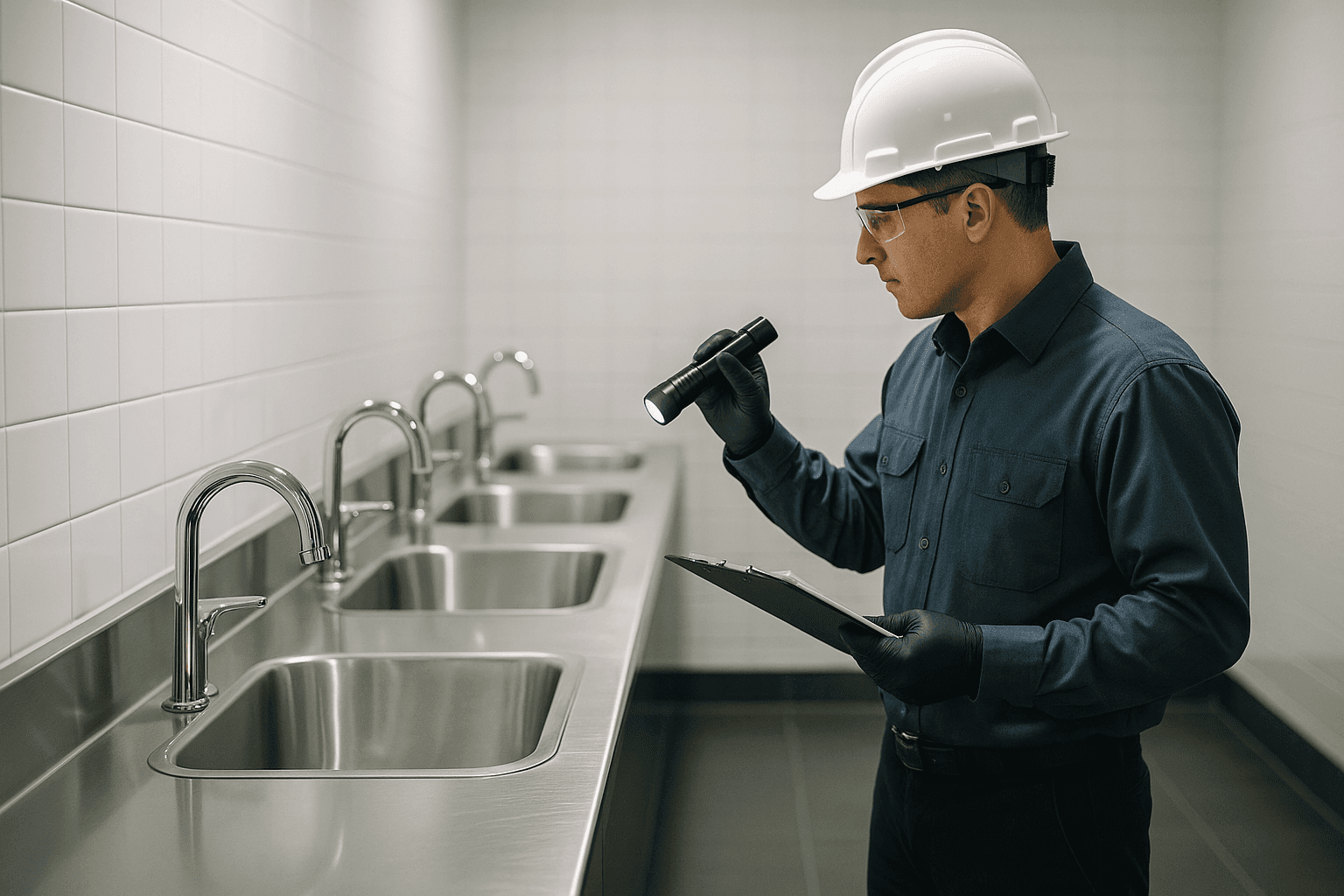
Running a business is a marathon, not a sprint. Every day, people rely on your restrooms, kitchens, and hot water. When something fails, it’s like tripping on the track—costly, stressful, and disruptive.
That’s where Dakota Plumbing comes in. We’ve worked with major brands, responded to midnight emergencies, and know what it takes to keep commercial plumbing running strong. This checklist is your roadmap to fewer headaches, lower bills, and more uptime—no matter the size of your building.
Why Maintenance Matters 🚰
Think of your plumbing system as the veins of your business. If they clog or leak, everything slows down. High-traffic restrooms, busy kitchen sinks, and water heaters work overtime, day in and day out. Neglect them, and you risk burst pipes, flooding, or even health code violations.
Routine plumbing maintenance isn’t just about avoiding the next emergency. It’s about protecting your investment, meeting safety codes (per the International Plumbing Code and local health departments), and ensuring everyone—customers, staff, tenants—stays happy.
Monthly & Quarterly Tasks
Stay ahead of problems by scheduling these regular checks. They’re not just a list—they’re your insurance policy against chaos.
- Inspect restrooms: Look for leaks under sinks, slow drains, and running toilets.
- Test water pressure: Drop in pressure? It could signal hidden leaks or build-up.
- Check water heaters: Scan for rust, pooling water, or strange noises.
- Clean floor drains: Remove debris to prevent backups—especially in kitchens and washrooms.
- Run backflow tests: Required by code in most municipalities. Prevents contaminated water from entering your supply.
- Check shut-off valves: Make sure every valve turns easily and is labeled.
- Flush seldom-used fixtures: Stagnant water breeds bacteria.
Set up a simple calendar reminder. Your future self will thank you.
Key Systems to Monitor
Some areas demand more attention than others. Here’s where to focus your eyes and ears:
High-Traffic Restrooms
A single clogged toilet can cause a domino effect—long lines, unhappy customers, potential overflows. Look out for:
- Gurgling noises in toilets or drains
- Water pooling around fixtures
- Unusual odors (often a sign of blocked vents or failing traps)
Kitchens
Grease, food debris, and soap scum all team up to choke your drains. Regular drain cleaning in kitchens keeps things moving. Don’t ignore:
- Slow draining sinks
- Water backing up when dishwashers run
- Garbage disposal jams
Water Heaters
No hot water can halt business in a flash. Inspect for:
- Leaks or rust around the tank base
- Fluctuating water temperatures
- Pilot light issues (for gas heaters)
Backflow Devices
Backflow prevention isn’t just a box to check—it’s about keeping your water safe. Annual testing ensures dirty water can’t seep into your clean supply, as required by the EPA.
Signs of Trouble
Small issues often whisper before they shout. Watch for these warning signs:
- Unusual noises: Banging, whistling, or gurgling pipes signal air or buildup.
- Discolored water: Brown or yellow water can mean pipe corrosion, especially with older plumbing.
- Recurring clogs: If you’re plunging toilets or sinks more than once a month, something’s brewing deeper in your lines.
- Sudden increases in water bills: This silent warning usually means a hidden leak.
- Damp or musty smells: Water leaks love to hide behind walls or under floors.
If you spot any of these, it’s time to act. Early intervention is always cheaper than emergency plumbing calls.
Benefits of Pro Service Agreements 🛠️
You wouldn’t drive your delivery van 100,000 miles without an oil change. The same goes for plumbing. A professional maintenance agreement with Dakota Plumbing gives you:
- Priority 24/7 support: Emergencies don’t wait for business hours. Neither do we.
- Scheduled inspections: We remember, so you don’t have to.
- Detailed reports: Know exactly what’s working and what’s not.
- Compliance peace of mind: Stay in line with local codes and OSHA safety standards.
Pro service means less downtime, fewer surprises, and a longer life for your entire plumbing system.
What Should Be on Your Plumbing Checklist?
Here’s a quick snapshot of what you should check regularly:
- Faucets and fixtures for leaks or corrosion
- Toilets for running water or loose handles
- Sinks for slow drainage or odd smells
- Water heaters for sediment and leaks
- Exposed pipes for drips or rust
- Floor drains for blockages
- Backflow prevention devices for annual testing
- Water pressure at key fixtures
- Gas lines for odor or hissing
Print this section or keep it handy. Consistency is everything.
DIY vs. Calling a Pro
Some tasks are simple enough to handle in-house, especially in smaller businesses or when you’ve got a handy maintenance team. But for anything involving gas lines, major leaks, or code compliance, it’s safest to bring in the pros.
- DIY-friendly: Tightening loose handles, clearing minor clogs, visible leak checks.
- When to call Dakota Plumbing: Sewer line repair, water heater installation, repiping, backflow testing, major leak detection, gas line work.
Trying to tackle big jobs solo can lead to bigger problems—like property damage or failed inspections. Don’t risk it.
What We Do on Arrival
When you call Dakota Plumbing for emergency plumbing or routine maintenance, here’s what you can expect:
- Thorough assessment: We start by listening to your concerns, then inspect the affected areas.
- Testing and diagnostics: From leak detection to water pressure analysis, we use the right tools for the job.
- Clear explanations: We walk you through what’s happening—no jargon, just straight talk.
- Efficient repairs: Our team carries the parts and expertise to fix most issues on the spot.
- Prevention tips: We’ll share simple steps to keep things running smoothly until the next visit.
Our experience with major commercial brands means we get the urgency—and have the know-how to solve problems fast.
Prevention & Maintenance
The best way to handle plumbing headaches? Don’t let them happen in the first place. Here’s how:
- Schedule regular inspections: Monthly for high-traffic buildings, quarterly for lower-use spaces.
- Install water filtration systems: Reduces mineral buildup and protects fixtures.
- Educate staff: Show key team members where shut-off valves are located.
- Test backflow preventers annually: Required by most local ordinances.
- Insulate pipes: Especially in climates with harsh winters—to prevent freezing.
- Flush water heaters: Extend their life and improve efficiency.
Following Occupational Safety and Health Administration (OSHA) guidelines for workplace safety also keeps your staff and customers protected.
Costs & Time Factors
How much does all this take? It depends on your building’s size, age, and use. Here’s what to expect:
- Routine maintenance: Most checks take just a few hours, often outside peak business times.
- Emergency plumbing: Can range from a quick fix to several hours, especially if repiping or sewer line repair is needed.
- Service agreements: Flat monthly or quarterly fees help you budget with fewer surprises.
Remember, investing a little time now saves a lot of downtime, repair costs, and lost business later.
When It’s an Emergency
Not every plumbing problem can wait. Here are true emergencies:
- Burst pipes or major leaks
- Sewage backups
- Total loss of water pressure
- Gas leaks (smell rotten eggs? Evacuate and call immediately)
Dakota Plumbing is always ready—24/7 emergency plumbing, no matter the day or hour. Quick response means less risk and faster recovery.
FAQ
How often should I schedule backflow testing? Most municipalities require annual backflow testing. It’s vital for water safety and legal compliance.
Can I unclog a commercial toilet myself? Minor clogs can sometimes be cleared with a plunger. Recurring or severe blockages need professional help to avoid pipe damage.
What if my water heater is making noise? Popping or rumbling noises often mean sediment buildup. Schedule a maintenance flush before it leads to bigger problems.
What’s the biggest risk with neglected plumbing? Small leaks can become major floods, mold, or structural damage. Prevention is always cheaper than emergency repairs.
Local and Seasonal Considerations 🥶
If your business is in a cold climate, frozen pipes are the enemy. Insulate exposed lines, especially near exterior walls. In summer, watch for increased water use and strain on restrooms and kitchens—peak season can reveal hidden weaknesses.
Local codes may require specific types of backflow prevention or grease trap cleaning. Check with your local building department or Dakota Plumbing for requirements in your area.
Keep your business flowing and customers happy. Dakota Plumbing is here 24/7 for emergencies, routine checks, and everything in between.
Call Dakota Plumbing now — or reach us anytime at 888-853-6782 .