How Much Does It Cost to Replace Pipes? Repiping Explained
You’re showering before work. Suddenly, the water goes from warm and strong to a trickle—cold, too. Later, you spot a stain on the ceiling. Down in the basement, pipes are sweating, dripping, or corroded. You need answers and you need them now.
Repiping is one of those big plumbing jobs that sounds overwhelming. But it’s often necessary—and with the right plan, it’s manageable. At Dakota Plumbing, our licensed and insured team handles emergency plumbing for both homes and businesses. We’re here to make pipe replacement understandable and straightforward.
Signs You Need Repiping 🚨
Pipes are like veins in a building. When they’re healthy, you hardly notice them. When they’re failing, everything feels off. Here’s how to spot the signs before a small drip becomes a flood:
- Discolored water: Rusty, brown, or yellow water from your taps can mean old steel pipes are corroding.
- Low water pressure: If a shower feels more like a drizzle, buildup or leaks may be the culprit.
- Frequent leaks: One leak can be patched. More than one may signal a bigger problem.
- Visible corrosion: Green, blue, or white stains on pipes—or actual rust flakes—mean trouble.
- Strange noises: Banging, rattling, or “water hammer” sounds hint at pipe issues.
- Old age: Pipes over 50 years old (especially galvanized steel or polybutylene) are on borrowed time.
- Recurring repairs: If you’re calling for repairs more than twice a year, repiping could actually save money long-term.
According to the International Association of Certified Home Inspectors, the lifespan of pipes varies: copper (50+ years), brass (40–70 years), galvanized steel (20–50 years), PEX and CPVC (40+ years). If your pipes are older than these limits, replacement is wise.
Cost Factors
No two repiping jobs are exactly alike. Several pieces of the puzzle influence the final cost, including:
- Pipe material: Copper, PEX, and CPVC all have different price tags and labor requirements.
- Size of the building: More bathrooms, longer pipe runs, or multi-story buildings mean more labor and material.
- Accessibility: Pipes hidden behind walls, under floors, or in crawl spaces require more time to reach.
- Local code requirements: Some areas require specific materials or extra safety steps.
- Labor rates: Emergency plumbing or after-hours work costs more.
- Fixtures and extras: Replacing old sinks, toilets, or adding water filtration systems can add to the bill.
- Permits and inspections: Required by most cities and states for major plumbing work.
Typical home repiping projects can range from a few thousand to tens of thousands of dollars, depending on these factors. Commercial buildings can be higher due to complexity and scale.
Pipe Materials Compared
Choosing the right pipe is like picking tires for your car: each has pros and cons. Here are the main options:
Copper
- Durable and reliable: Lasts 50+ years, resists bacteria and UV rays.
- Pricey: Costs more for both material and labor.
- Rigid: Harder to install in tight spaces.
PEX (Cross-Linked Polyethylene)
- Flexible: Bends around corners, reducing joints and leak risk.
- Affordable: Material and labor costs are lower.
- Not for outdoors: Sunlight breaks down PEX over time.
CPVC (Chlorinated Polyvinyl Chloride)
- Budget-friendly: Cheaper than copper, but more brittle.
- Good for hot and cold water: Resists scaling and corrosion.
- Can crack in freezing temps: Not ideal for unheated spaces.
Each material must meet local building codes. The Uniform Plumbing Code (UPC) and International Plumbing Code (IPC) provide guidelines on which pipes are allowed.
What to Expect During Repiping
Repiping isn’t a quick fix—it’s a process. Here’s what typically happens:
- Assessment: Dakota Plumbing inspects your system, maps out the pipe runs, and checks for code issues.
- Shut-off: Water is turned off. We make sure you know when and for how long.
- Access: Drywall or ceiling panels may be opened to reach pipes. We keep cuts as neat and minimal as possible.
- Old pipe removal: We remove old, failing pipes safely.
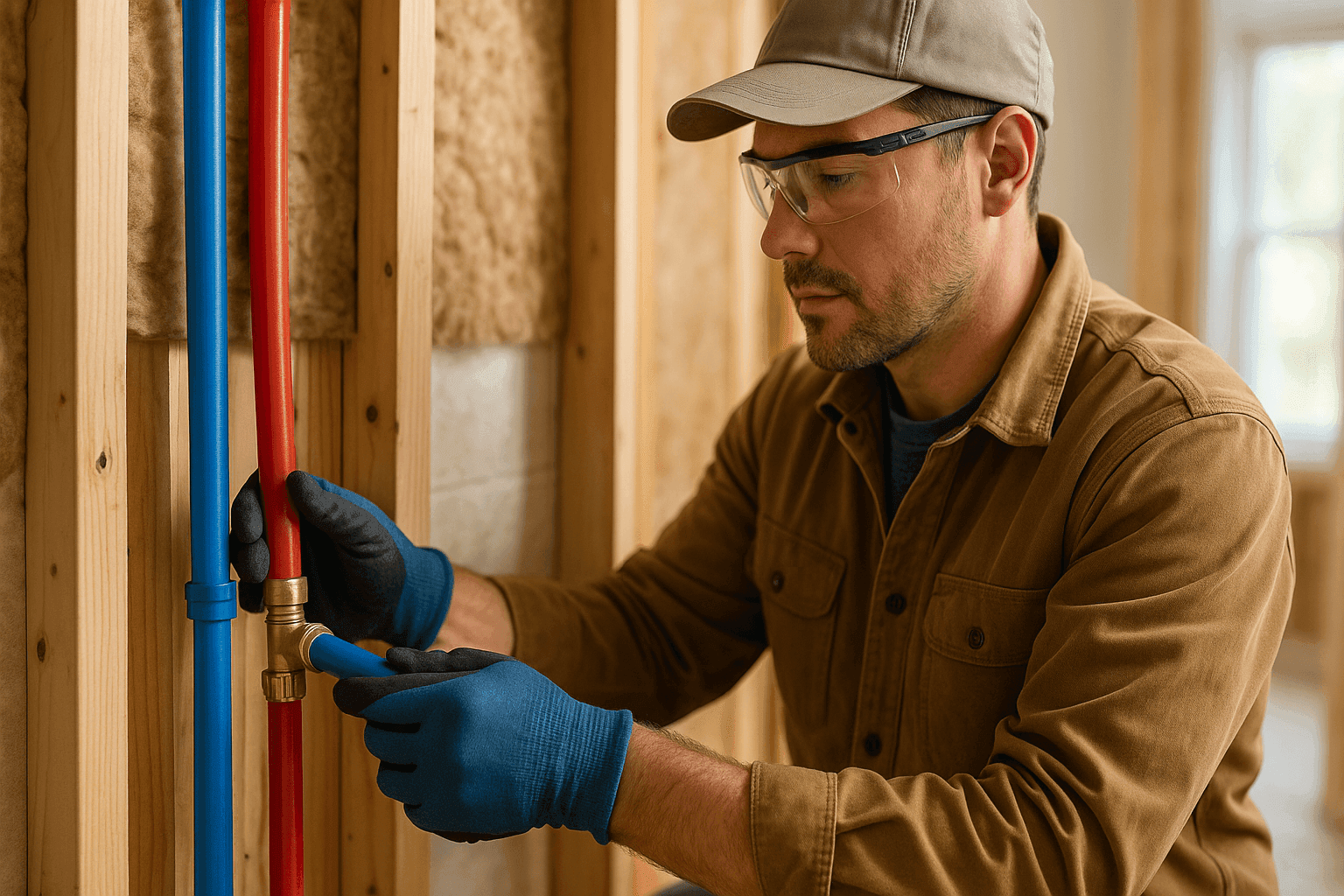
- New pipe installation: Pipes are measured, cut, fitted, and secured.
- Fixture connections: Everything is reconnected—sinks, toilets, water heaters, and more.
- Testing: We pressurize and test the system for leaks.
- Restoration: Walls and ceilings are patched. We leave your property clean and safe.
For most homes, the process takes a few days. Large or commercial buildings may take a week or more. Dakota Plumbing’s team keeps you in the loop at every step.
Residential vs. Commercial Costs 🏢
Pipe replacement costs aren’t one-size-fits-all. Here’s how residential and commercial projects differ:
Residential
- Smaller scale: Usually 1–3 bathrooms, shorter pipe runs.
- Lower overall cost: Fewer fixtures and less labor.
- Quicker timeline: Most homes can be repiped in 2–5 days.
- Less disruption: Family routines are considered in scheduling.
Commercial
- Higher complexity: Multiple bathrooms, kitchens, water heaters, or special equipment.
- After-hours work: Many businesses need plumbing done at night to avoid disrupting operations.
- Increased code requirements: Commercial codes are often stricter.
- Higher cost: More labor, more materials, and more time.
Our team is licensed, insured, and experienced with both types of projects. We work closely with property managers and business owners to minimize hassle.
Planning Your Repiping Project
A little preparation goes a long way. Here are a few practical tips:
- Schedule a professional inspection: Don’t guess—know what’s behind your walls.
- Clear access areas: Move furniture or valuables away from work zones.
- Plan for water outages: Fill tubs or buckets with water for flushing or cleaning if needed.
- Check local codes: Your city may have rules on permitted pipe materials and inspections.
- Budget for restoration: Drywall patching and painting add to the total project cost.
The Environmental Protection Agency (EPA) recommends replacing lead and galvanized pipes for health and safety. Always check the latest safety guidelines.
Frequently Asked Questions
How long does repiping take?
Most home repiping projects take 2–5 days. Larger homes or commercial properties can take a week or more, depending on size and complexity.
Do I have to leave my house during repiping?
Not usually. Water will be shut off for part of each day, but you can remain at home. Dakota Plumbing always communicates the schedule so you know what to expect.
Can you repipe just part of my house?
Yes—sometimes only certain areas need new pipe. However, partial repiping may cost more per foot than doing the whole house at once.
Is repiping covered by insurance?
It depends. Insurance may cover damage caused by a leak (like a flooded kitchen), but not the cost of replacing old pipes. Always check your policy.
Safety and Code Reminders 🛠️
- Only licensed plumbers should handle repiping.
- All work must meet local building codes—ask for inspection paperwork.
- Dakota Plumbing follows the Uniform Plumbing Code (UPC), the International Plumbing Code (IPC), and all local ordinances.
When It’s an Emergency
If you have water gushing, pipes bursting, or sewage backing up, it’s time for emergency plumbing. Dakota Plumbing offers 24/7 response for urgent problems. Don’t wait—serious leaks can lead to structural damage or mold.
Local and Seasonal Considerations
Northern climates face frozen pipes in winter. Old homes may have hidden surprises in the walls. Buildings with outdated plumbing (polybutylene, lead, or galvanized) are at higher risk. Dakota Plumbing can advise you on local code changes and seasonal best practices—just ask.
Replacing your pipes doesn’t have to be a nightmare. With the right team and a clear plan, you can protect your home or business for decades to come. For reliable, insured repiping, sewer line repair near you, and emergency plumbing day or night, Dakota Plumbing is ready to help.
Call Dakota Plumbing now — or reach us anytime at 888-853-6782 .