Drain Cleaning Tips: Keep Your Drains Flowing Year-Round
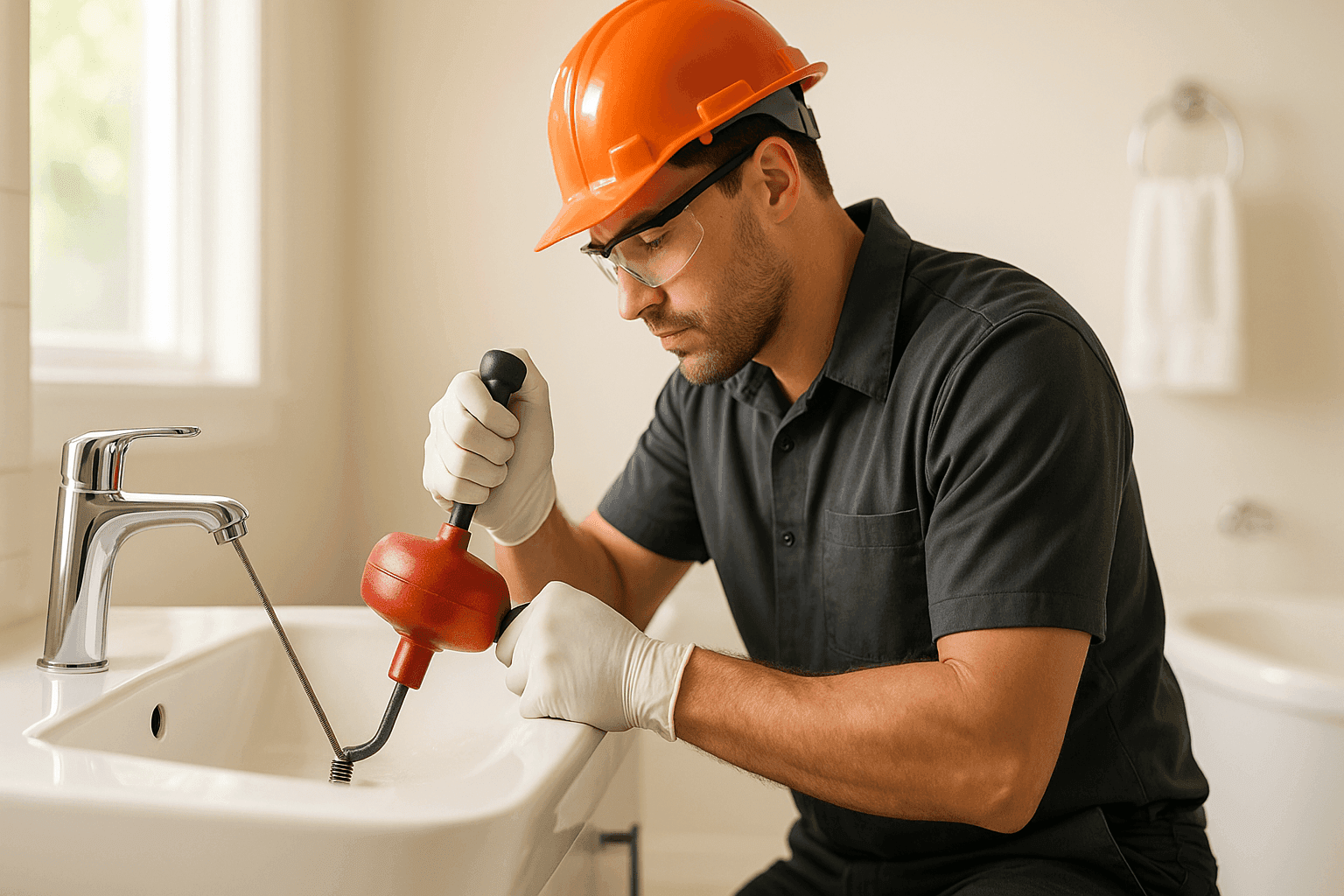
Every home or business faces it sooner or later—a slow, smelly drain. One moment, everything flows smoothly. The next, you’re ankle-deep in standing water or dreading what’s lurking in the pipes.
At Dakota Plumbing, we know how frustrating and urgent these situations can feel. Whether you’re a homeowner wrangling kids or a business owner managing daily traffic, clean, reliable drains are non-negotiable. Let’s cover practical, safe strategies to keep things flowing—and how to spot trouble before it becomes an emergency plumbing call.
Why Drains Clog
Drains are like the arteries of your plumbing system. When something blocks the flow—grease, hair, food scraps, tree roots—water slows, backs up, or stops completely. Even with care, everyday life sends plenty down the pipes:
- Kitchen sinks: Fat, oil, food debris, coffee grounds.
- Bathroom drains: Hair, soap scum, toothpaste.
- Utility drains: Dirt, lint, pet hair.
- Toilets: “Flushable” wipes (hint: they’re not), paper towels, hygiene products.
Over time, these build up like plaque, narrowing the passage and causing slow draining or full-on clogs. In older homes or buildings, mineral deposits, shifting pipes, or root intrusion add extra headaches.
Safe DIY Cleaning Methods 🧽
You don’t need to be a plumber to keep your drains healthy. A little routine care goes a long way. But forget the harsh chemicals—think of your pipes like your favorite coffee mug: you wouldn’t scrub it with acid.
Hot Water Flush
Once a week, boil a kettle of water. Pour it slowly down the drain. The heat helps melt greasy buildup and flush away minor debris. Simple, safe, and surprisingly effective.
Baking Soda & Vinegar
This classic fizzing combo is gentle on pipes and tough on gunk.
- Pour half a cup of baking soda down the drain.
- Follow with half a cup of white vinegar.
- Wait 10–15 minutes (listen for fizzing).
- Flush with hot water.
The reaction loosens grime without corroding pipes.
Enzyme Cleaners
Unlike chemical drain openers, enzyme-based cleaners use natural bacteria to break down organic material. Pour as directed and let them work overnight. These are especially good for monthly maintenance.
What to Avoid
- Chemical drain openers: They’re tempting, but they can eat away at pipes, especially old metal or PVC. The fumes aren’t great either.
- Wire hangers: They scratch pipes and make clogs worse.
- Too much force: Over-plunging can damage seals and connections.
Stick to safe, proven methods. If a clog doesn’t budge, it’s time to call Dakota Plumbing.
Warning Signs of Bigger Issues 🚩
Sometimes a slow drain is just the tip of the iceberg. Watch for these red flags:
- Multiple slow drains: If sinks, tubs, and toilets all act up, the blockage may be in your main sewer line.
- Gurgling sounds: Bubbling means air is trapped—clogs or vent issues could be the culprit.
- Backups or overflows: Water coming up where it shouldn’t? This is an emergency plumbing situation.
- Foul odors: Persistent smells signal trapped debris or even a broken sewer line.
If you spot these, don’t wait. Clogs can quickly become costly leaks or property damage.
Benefits of Regular Cleaning
Treat your drains like you would your car—maintenance saves money and headaches down the road. Here’s what routine care does:
- Prevents blockages: No more surprise overflows on a holiday or busy workday.
- Protects pipes: Gentle cleaning keeps pipes strong, avoiding corrosion or cracks.
- Reduces odors: Clean pipes mean fresher kitchens and bathrooms.
- Boosts property value: Regular plumbing upkeep signals care to buyers or tenants.
For businesses, clear drains keep operations running—no downtime, no mess.
When to Call a Pro
DIY efforts have their limits. If you’ve tried the basics and still have problems, professional help is your best bet. Dakota Plumbing brings tools and experience you just can’t match at home:
- Professional-grade augers and hydro-jetting: These clear the toughest blockages safely.
- Video inspections: See exactly what’s causing the clog.
- Sewer Line Repair near you: We handle root intrusion, collapsed pipes, and hidden leaks.
- Satisfaction guarantee: Our work stands up to the messiest situations.
Call sooner rather than later—waiting can turn a simple fix into a major repair.
Seasonal Drain Tips 🍂
The calendar brings its own plumbing challenges. Stay ahead with these tips:
Fall
- Leaves & outdoor drains: Clear gutters and yard drains to prevent blockages.
- Colder temps: Insulate pipes to avoid freezing and bursting.
Winter
- Holiday cooking: Avoid pouring grease down the drain. Wipe pans with a paper towel first.
- Extra guests: Remind everyone what can and can’t go down toilets and sinks.
Spring
- Heavy rains: Check sump pumps and basement floor drains for clear flow.
- Tree roots: Growing roots seek water—schedule a sewer line inspection if you have large trees.
Summer
- Laundry & showers: More activity means more hair, lint, and soap—flush drains monthly.
FAQ
How often should I clean my drains?
Monthly is a good rule of thumb for sinks and tubs. High-traffic areas, like commercial kitchens, may need weekly attention.
Are chemical drain cleaners safe?
Most aren’t. The Environmental Protection Agency and plumbing codes warn against regular use due to pipe damage and environmental harm.
Why do “flushable” wipes clog pipes?
Despite the name, wipes don’t break down like toilet paper. They catch on bends or joints, forming stubborn clogs.
What if I smell sewage indoors?
This could point to a cracked drain, failed trap, or sewer backup. Don’t wait—call Dakota Plumbing for emergency plumbing help.
Local and Commercial Considerations 🏢
Homes and businesses have different needs. A restaurant’s grease trap faces more abuse than a family sink. Multi-unit buildings risk larger backups from a single clog.
- Commercial clients: Schedule preventative maintenance for peace of mind. We work around your hours to keep doors open.
- Residential customers: Ask about water pressure checks, leak detection, and backflow prevention. Small fixes today prevent big ones tomorrow.
Dakota Plumbing follows state and local code for every job, ensuring safety and compliance.
Don’t let clogs slow you down any season. For safe, prompt service—whether it’s Sewer Line Repair near you or a middle-of-the-night emergency plumbing issue—rely on Dakota Plumbing’s skilled team and professional-grade equipment.
Call Dakota Plumbing now — or reach us anytime at 888-853-6782 .