What Causes Low Water Pressure? Troubleshooting Tips for Homes & Businesses
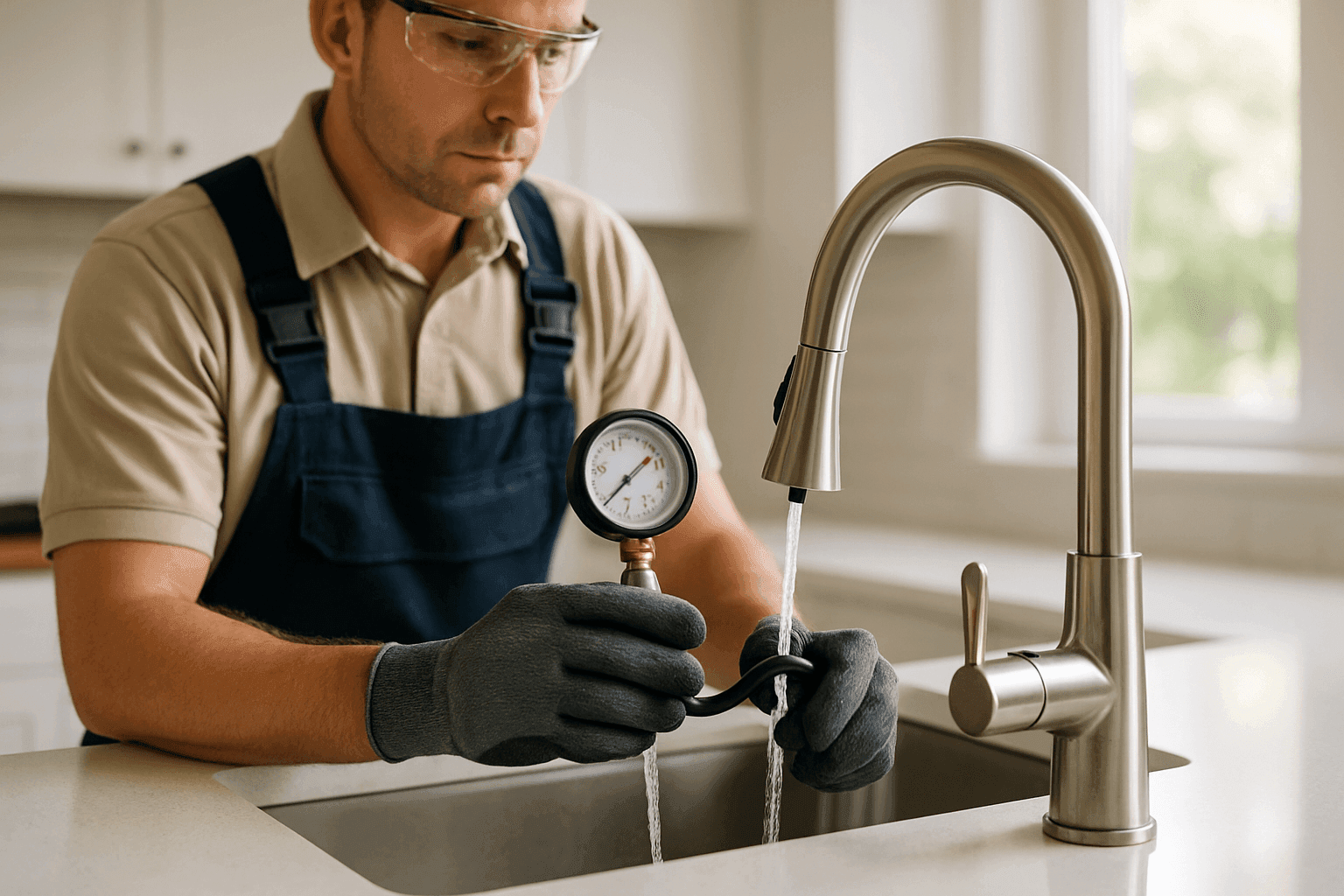
Is your morning shower more of a drizzle than a downpour? Turning on a faucet at work and getting a pitiful trickle instead of a strong stream? Low water pressure can throw off your whole routine, from washing dishes to running a business. It's frustrating. It's disruptive. And sometimes, it hints at bigger plumbing trouble lurking out of sight.
We get it—at Dakota Plumbing, we’ve seen low water pressure slow down households, restaurants, offices, and shops of every size. Good news: with a little insight, you can spot the most common causes and even fix a few yourself. And when things get tricky? Our emergency plumbing team is always ready.
Common Sources of Low Pressure 🛠️
Low water pressure isn’t just annoying—it’s a symptom. Like a warning light on your dashboard, it tells you something in your plumbing system needs attention. Here are the main culprits, whether you’re at home or handling a commercial property:
- Clogged Pipes or Fixtures: Over time, minerals and debris build up inside pipes, showerheads, and faucets. Think of it like cholesterol in arteries—eventually, the flow just can’t get through.
- Leaks: Even a tiny crack in a pipe can send gallons of water where it doesn’t belong. The result? Less water at the tap and a spike in your bill.
- Faulty Valves: Main shutoff valves, pressure-reducing valves, or fixture valves that are only partially open or malfunctioning can throttle your water flow without you knowing.
- Municipal Water Supply Issues: Sometimes, the problem is bigger than your building. City repairs, hydrant use, or supply interruptions can temporarily reduce pressure for everyone in the area.
- Old or Corroded Pipes: Aging plumbing—especially galvanized steel—can narrow and even close off over decades. This is common in older homes and some businesses.
- Water Pressure Regulators: These devices keep pressure safe for your plumbing. If they fail, pressure drops (or sometimes, surges).
DIY Troubleshooting Steps
Before you call in the cavalry, there are a few things you can safely check yourself. Like tracing a kinked garden hose, these steps can help you pinpoint or even solve minor issues.
- Check All Faucets: Is the low pressure everywhere or just at one fixture? If it’s just the bathroom sink, it might be a clogged aerator or local valve.
- Look for Leaks: Inspect visible pipes, ceilings, and basements for wet spots or puddles. Leaks can hide, but sometimes you’ll see water stains, mold, or hear a faint drip.
- Test Hot vs. Cold Water: If only one temperature is weak, the issue may be with your water heater or its lines—not the whole system.
- Inspect Shutoff Valves: Make sure main water and individual fixture valves are fully open. Sometimes, a half-closed valve is the simple culprit.
- Clean or Replace Aerators and Showerheads: Unscrew them, rinse out grit and mineral build-up, and reinstall.
- Ask Your Neighbors: If everyone nearby has low pressure, it’s likely a municipal supply issue—not your pipes.
Pro Tip: For commercial spaces with multiple bathrooms or kitchens, check several fixtures on different floors to see if the problem is isolated or building-wide.
When to Call a Plumber
DIY checks can solve small problems, but some issues demand professional tools and experience. Here’s when to pick up the phone for emergency plumbing help (especially for Sewer Line Repair near you):
- Sudden drops in pressure with no clear cause
- Visible leaks or water damage—this can lead to mold, costly repairs, and health risks
- Low pressure throughout the entire building
- Suspected pipe bursts (wet spots, hissing sounds, or rapidly rising water bills)
- No improvement after replacing aerators or checking valves
- Corroded or old piping (especially in older properties)
Dakota Plumbing has the right equipment for leak detection, pressure testing, and even camera inspection for your sewer lines. We fix issues safely, quickly, and with minimal disruption—so you can get back to business as usual.
Commercial System Considerations 🏢
Low water pressure isn’t just a headache at home. For businesses, it can impact everything from kitchen safety to customer service. Restaurants, hotels, medical offices, and apartment buildings need reliable flow for health, safety, and comfort.
Special points for commercial properties:
- Larger, more complex plumbing systems: Multiple branches, booster pumps, and backflow prevention devices mean more potential trouble spots.
- Code and Safety Compliance: Local codes (like those from the International Plumbing Code or state health departments) require minimum pressure for certain fixtures. Falling below these can mean failed inspections or forced closures.
- Maintenance Matters: Regular preventative maintenance—including backflow testing and sewer line inspection—keeps everything running smoothly and can spot pressure issues before they escalate.
- After-hours Solutions: Emergencies don’t keep business hours. Dakota Plumbing offers around-the-clock emergency plumbing to keep your doors open and your guests happy.
Practical Tips to Maintain Good Water Pressure
Keeping pressure strong means staying proactive:
- Schedule regular plumbing inspections—especially if your building is over 20 years old.
- Flush your water heater annually to remove sediment (per manufacturer recommendations).
- Install water filtration systems to minimize mineral buildup in pipes and fixtures.
- Replace old, corroded pipes before they become a crisis.
- Have backflow prevention devices tested yearly, as required by local codes.
For commercial sites, a written maintenance log and routine checks for all critical plumbing systems are key.
When It’s an Emergency
A sudden, severe drop in water pressure can signal a major leak, burst pipe, or catastrophic plumbing failure. This is not the time for guesswork. If you notice:
- Water gushing or rapidly pooling indoors or outdoors
- Audible hissing, banging, or rushing sounds from walls or floors
- Complete loss of pressure in part or all of your building
Shut off your main water valve—if it’s safe to do so—and call Dakota Plumbing immediately for emergency plumbing. Acting fast can prevent major property damage.
Frequently Asked Questions
Why does my water pressure drop when I turn on two fixtures?
Many homes and businesses have supply pipes that can only handle so much flow at once. If pipes are undersized, old, or partially clogged, running multiple fixtures can cause a noticeable drop in pressure.
Is low water pressure dangerous?
It can be. Low pressure may indicate a hidden leak, which can cause structural damage or mold growth. For businesses, it may also violate health codes that require minimum flow at sinks and bathrooms.
How do plumbers find hidden leaks?
Professionals use specialized tools—like acoustic leak detectors, pressure gauges, and in some cases, thermal imaging cameras—to pinpoint leaks inside walls, under floors, or underground.
Can seasonal changes affect water pressure?
Yes. In winter, frozen pipes can restrict or block flow. In summer, citywide demand (like for irrigation) may temporarily lower pressure, especially during peak hours.
Local and Seasonal Considerations 🌦️
While Dakota Plumbing serves all types of clients, remember that local plumbing codes and seasonal conditions can play a role:
- Colder climates: Frozen pipes are a leading cause of pressure loss in winter. Insulate exposed pipes and schedule pre-winter checks.
- Urban areas: Shared municipal supply lines can mean pressure dips during city repairs or firefighting events.
- Older neighborhoods: Aging infrastructure may have more frequent issues with corrosion, leaks, and pressure regulators.
Check with local water authorities or building code offices for specific requirements in your area.
If low water pressure is slowing you down, don’t wait for it to get worse. Call Dakota Plumbing now — or reach us anytime at 888-853-6782 . Your water pressure, restored and reliable—day or night.