How to Maintain Your Water Heater for Long-Lasting Performance
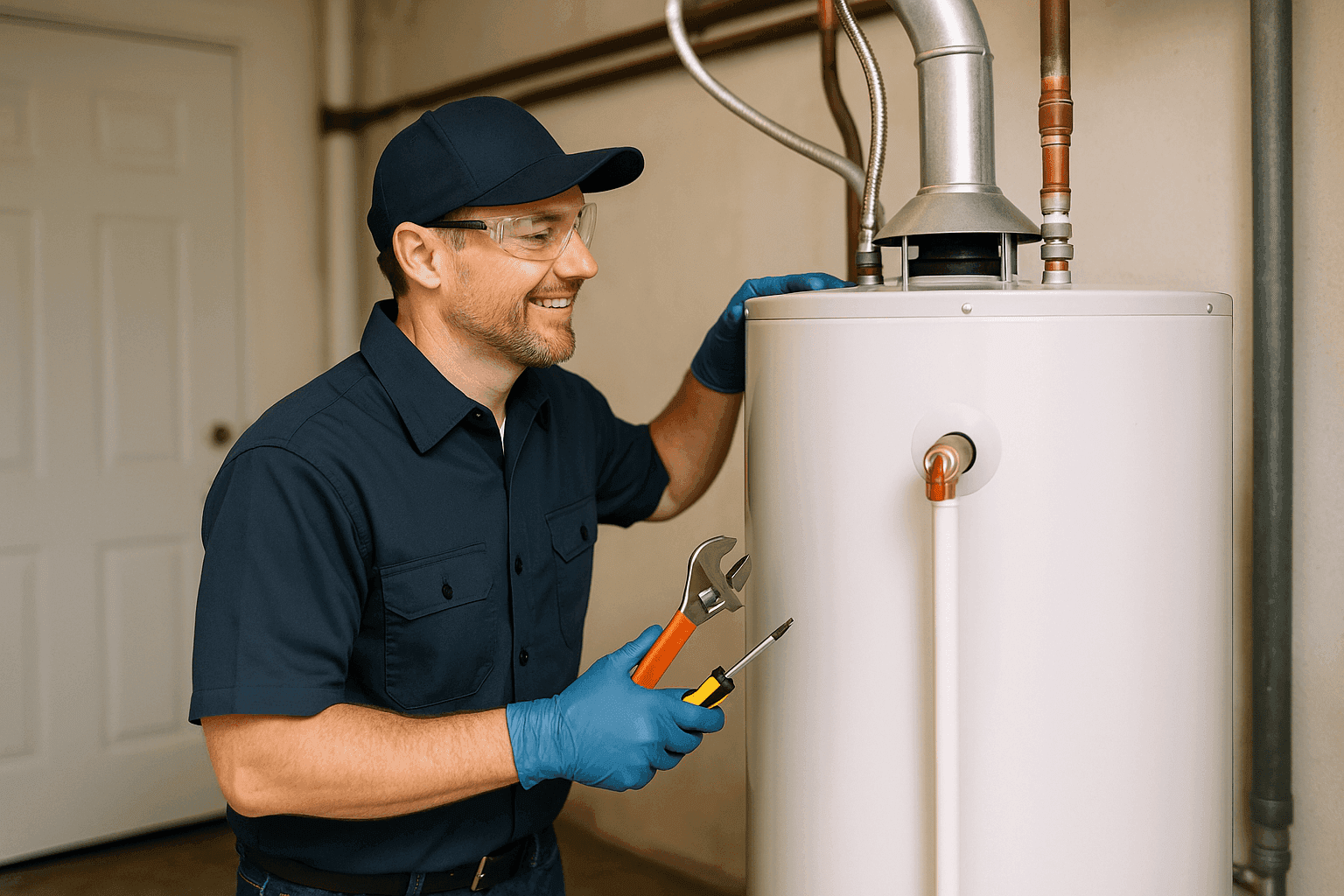
Is your water heater quietly working harder than you realize? Most of us forget about it—until the hot water runs cold or a leak turns into a mini flood. At Dakota Plumbing, we know a little care goes a long way. Regular maintenance can help you avoid emergency plumbing calls, save money, and keep your showers hot all year.
Let’s walk through how you can keep your water heater humming, whether you’re a homeowner or a small business owner. No complicated tools. Just practical steps and smart habits.
Why Regular Water Heater Maintenance Matters 🔧
Think of your water heater like the heart of your plumbing system. If it skips a beat, the whole house feels it. Regular maintenance isn’t just about avoiding breakdowns—it’s about:
- Energy Savings: Sediment buildup makes your heater work overtime. Flushing it out keeps your bills lower.
- Preventing Leaks: Small leaks can become big, messy problems if ignored.
- Avoiding Surprises: Routine checks help you spot trouble before it interrupts your day.
According to the U.S. Department of Energy, water heaters are the second highest energy user in most homes. A neglected heater can waste up to 15% more energy—money right out the window.
Essential Maintenance Tasks
Keeping your water heater in shape doesn’t require a toolbox the size of a car. Just a little time and attention. Here’s what you should focus on:
1. Flush the Tank
Sediment—think of it as tiny grains of sand—settles at the bottom of your tank. Too much, and your heater strains to do its job.
How to flush:
- Turn off the power (electric) or set to “pilot” (gas).
- Let the water cool for at least an hour.
- Attach a garden hose to the tank’s drain valve.
- Drain a few gallons into a bucket until the water runs clear.
- Close the valve, remove the hose, and refill the tank.
Tip: Do this once a year, or more if you have hard water.
2. Check the Anode Rod
The anode rod is your tank’s invisible shield. It attracts corrosion so your tank doesn’t rust out.
- Turn off the water and power.
- Unscrew the anode rod (usually at the top).
- If it’s less than half an inch thick or coated in calcium, replace it.
Most homes need a new rod every 3–5 years.
3. Inspect for Leaks
Look for drips around the base, valves, or pipes. Even a small puddle can mean trouble. Catching leaks early can save you from water damage and emergency plumbing headaches.
4. Set the Right Temperature
Keep your water heater at 120°F (49°C). Hot enough for comfort, cool enough to prevent scalding and save energy. The Consumer Product Safety Commission recommends this setting for safety and efficiency.
Seasonal Maintenance Tips
Your water heater faces different challenges as the seasons change. A little preparation goes a long way.
Preparing for Winter
- Insulate the tank and pipes: This helps prevent heat loss and frozen pipes.
- Check the pressure relief valve: Make sure it opens and closes smoothly.
Getting Ready for Summer
- Check for leaks: Humid weather can hide slow drips.
- Flush the tank: Summer is a great time for a deep clean.
When to Call a Professional
Some signs mean it’s time to put down the wrench and pick up the phone:
- Rusty water: Brown or reddish water means corrosion inside the tank.
- Strange noises: Rumbling or popping can signal heavy sediment buildup.
- Water around the base: Persistent leaks need professional attention.
- No hot water: If resetting or relighting doesn’t work, call in a licensed plumber.
A professional knows how to safely handle gas lines, electrical connections, and pressure relief valves according to plumbing code and safety standards.
DIY Water Heater Maintenance Safety Checklist
Before you start any maintenance, run through this quick safety list:
- Turn off power at the breaker (electric) or set gas to “pilot.”
- Let the water cool to avoid burns.
- Wear gloves and safety glasses.
- Keep kids and pets away from the work area.
- Never tamper with gas lines—leave that to the pros.
When Is It an Emergency?
Sometimes, waiting isn’t an option. Call for emergency plumbing help if you notice:
- Water pouring from the tank or pipes
- The smell of gas near your heater
- No hot water at all, especially for businesses
- Electrical burning smells or sparks
Fast action can prevent water damage, mold, or even fire hazards.
Frequently Asked Questions
How often should I flush my water heater?
Once a year is usually enough, but homes with hard water may need it more often.
What’s the lifespan of a typical water heater?
With regular maintenance, most last 8–12 years. Neglect cuts that time short.
Is it safe to adjust the temperature myself?
Yes, but always consult your owner’s manual and use caution. Never set it above 120°F to avoid scalding.
Why does my water heater make banging noises?
Sediment at the bottom of the tank can trap water and cause popping sounds. Flushing usually solves this.
Special Considerations for Water Heater Maintenance
- Tankless units need maintenance too: Flush with a vinegar solution annually to prevent scale buildup.
- Gas heaters: Always check for gas leaks. If you smell gas, leave the area and call for help immediately.
- Commercial properties: Larger tanks and higher usage mean more frequent checks—plan maintenance during off-hours if possible.
- Follow manufacturer guidelines: Always refer to your water heater’s manual and local plumbing codes for specific instructions.
The National Fire Protection Association and the International Association of Plumbing and Mechanical Officials recommend regular inspections for safety and code compliance.
Regular water heater maintenance isn’t just a chore—it’s an investment in comfort, safety, and peace of mind. If you spot signs of trouble or need help with any plumbing task, don’t wait for an emergency.
Call Dakota Plumbing now — or reach us anytime at 888-853-6782 .