How to Prevent Frozen Pipes and Water Damage This Winter
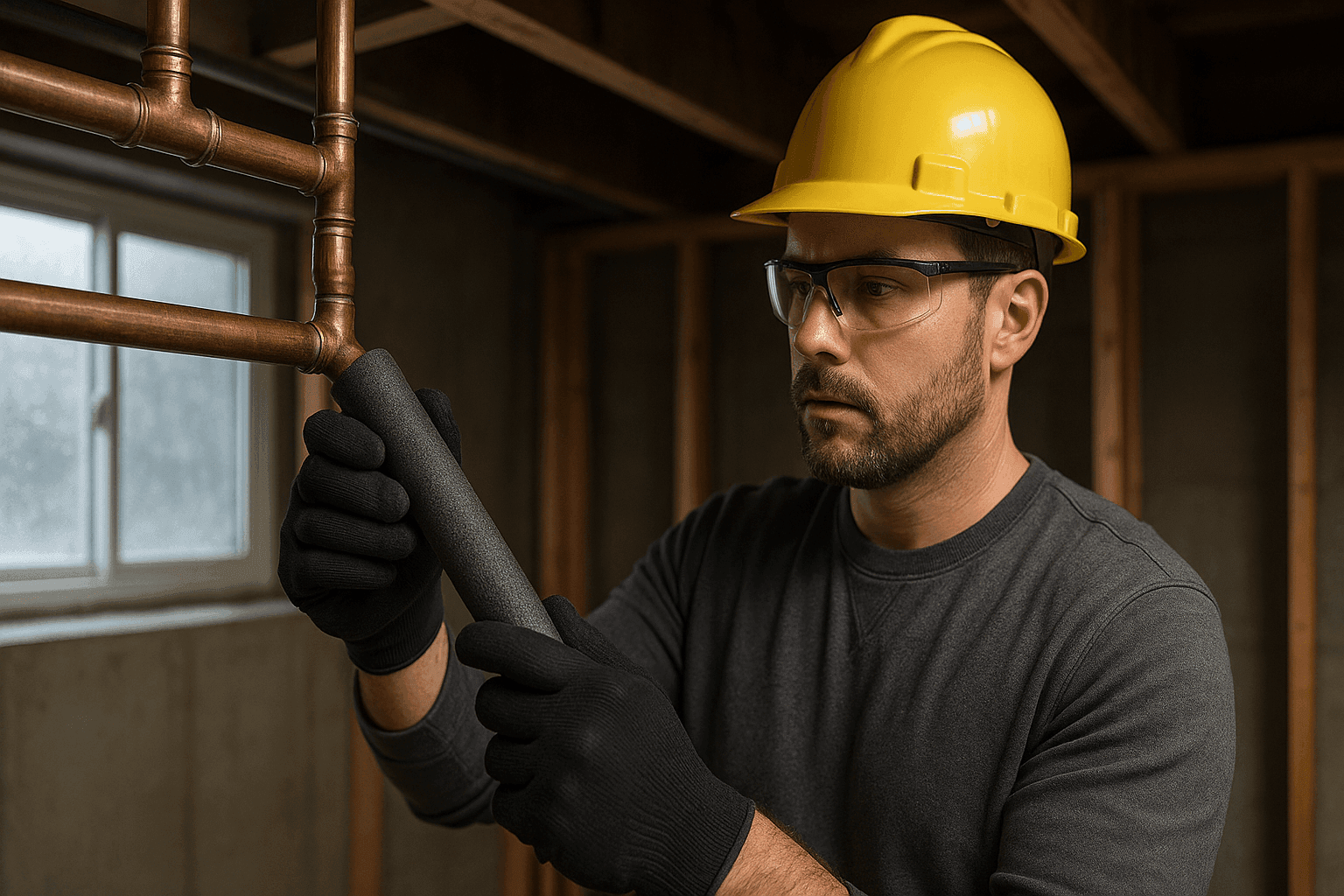
Winter in cold-weather regions isn’t just about cozy fires and warm drinks. It’s also when pipes become ticking time bombs. Whether you’re a homeowner or you manage a business, a single freeze-up can unleash a flood—right when you least expect it.
Dakota Plumbing knows these northern winters. We’ve seen burst pipes bring down ceilings and shut down shops overnight. We want to help you avoid that. Here’s everything you need to know to keep water where it belongs this season.
Why Pipes Freeze ❄️
Pipes are like the veins of your property. They carry life—hot showers, flushing toilets, clean dishes—everywhere you need it. But when the temperature drops, water inside those pipes can freeze. And as water turns to ice, it expands, building pressure. Eventually, the pipe cracks. When things thaw, the flood begins.
Some areas are more at risk than others:
- Unheated basements and crawlspaces
- Garages with water lines
- Attics or exterior walls (especially if insulation is thin)
- Cabinets under sinks, especially on outside walls
Older buildings, vacant properties, and spots where cold air sneaks in are especially vulnerable. The National Weather Service and the American Red Cross warn that pipes can freeze when temps drop below 20°F (-6°C).
Prep Checklist: Winter-Proof Your Pipes
Don’t wait until you’re ankle-deep in ice water. Here’s your step-by-step checklist to get ahead of winter’s freeze:
- Insulate Exposed Pipes: Use foam pipe sleeves or wrap pipes in heat tape. Focus on basements, crawlspaces, garages, and exterior walls.
- Seal Gaps & Cracks: Check around windows, doors, and where pipes enter walls. Use caulk or expanding foam to block chilly drafts.
- Keep the Heat On: Maintain a steady indoor temperature—even if you’re leaving for the weekend.
- Let Faucets Drip: Just a trickle overnight can keep water moving. It’s like giving your pipes a tiny treadmill workout.
- Open Cabinet Doors: Especially under sinks along exterior walls. This lets warm air circulate around plumbing.
- Smart Thermostats: These can help keep temps above freezing, even if you’re not home.
- Disconnect Hoses & Drain Outdoor Lines: Don’t forget the garden hose! Shut off and drain exterior faucets and irrigation systems.
The International Plumbing Code (IPC) and local guidelines recommend these steps for both residential and commercial properties.
Emergency Steps if Pipes Freeze
It happens. If you turn on a faucet and nothing comes out, odds are you’ve got a freeze. Don’t panic. Here’s what you do:
- Shut Off the Main Water Valve. This stops new water from pouring in if a pipe bursts.
- Open All Faucets. Relieve pressure and allow thawed water to escape.
- Warm the Pipes Slowly: Use a hair dryer, space heater, or warm towels. Never use open flame—fire risk is real.
- Check for Leaks: As things thaw, watch for dripping or pooling water. This is your cue to call for emergency plumbing help.
If you spot a burst or can’t restore flow, get help immediately. Water damage can get worse by the minute.
Commercial vs. Residential Tips 🏢🏠
The basics are the same for homes and businesses, but there are a few unique concerns for each.
For Businesses:
- Extended Vacancies: If a building closes for weekends or holidays, keep the heat on low and arrange for regular checks.
- Larger, Complex Systems: Commercial plumbing often has more exposed sections. Schedule professional inspections ahead of winter.
- Backflow Prevention: Make sure commercial backflow devices are tested—frozen valves can lead to contamination.
For Homes:
- Family Schedules: If you’re traveling, ask a neighbor to check in or use remote monitoring.
- Older Properties: These often have less insulation. Consider retrofitting with modern pipe wraps or insulation.
Dakota Plumbing handles everything from Sewer Line Repair near you to gas line safety checks, so you can rest easy no matter your building type.
When to Call a Pro
DIY fixes are great—until they aren’t. Here’s when you should reach out to Dakota Plumbing for help:
- No Water Flow: If you can’t restore service after gentle thawing.
- Visible Leaks or Wet Spots: Any sign of water where it shouldn’t be.
- Suspected Burst Pipes: If you hear hissing, see bulging drywall, or spot ceiling stains.
- Persistent Low Pressure: This can signal hidden ice or pipe damage.
- Backflow or Sewer Smells: Cold weather can trigger backflow issues needing urgent attention.
Our team is available 24/7 for emergency plumbing needs, big or small.
Prevention: Maintenance That Matters 🛠️
Regular maintenance isn’t just for peace of mind. It can save you thousands in repairs and untold hassle. Here’s what Dakota Plumbing recommends:
- Annual Inspections: Schedule yearly checks for all exposed and exterior-wall pipes.
- Backflow Testing: Ensure your backflow prevention devices are working, especially in commercial properties.
- Water Heater Maintenance: Sediment buildup can cause heat loss—keep it flushed and checked.
- Sewer Line Inspection: Cold snaps can crack older sewer lines. Early detection helps avoid backups.
- Pipe Insulation Upgrades: Newer materials provide better protection in tough climates.
Refer to resources like the International Code Council and your local plumbing codes for more details on best practices.
What to Do if You Find a Burst Pipe
Act fast. Here’s what happens next:
- Shut Off Water: First, stop the flow at the main valve.
- Remove Electronics: If water is near outlets or appliances, turn off power at the breaker.
- Document Damage: Photos for your insurance claim.
- Call Dakota Plumbing: Our emergency plumbing crew will handle pipe repair, water extraction, and system checks.
- Dry Out the Area: Use fans and dehumidifiers to reduce mold risk.
Never wade into standing water if outlets or wiring are submerged—safety first.
Costs & Time Factors
The price and time to fix frozen pipes depends on:
- Location of the Freeze: Pipes in walls or underground take longer to access.
- Extent of Damage: A small split is faster to fix than a basement flood.
- Materials Needed: Some repairs require pipe replacement or repiping.
- Emergency vs. Scheduled: Emergency plumbing calls often cost more, but waiting can increase the damage.
Quick action saves money. According to the Insurance Information Institute, the average water damage claim can run into the thousands if not addressed promptly.
Frequently Asked Questions
What temperature do pipes start to freeze?
Most pipes are at risk when temperatures dip below 20°F (-6°C), but poorly insulated pipes can freeze at higher temps.
How long does it take for pipes to thaw naturally?
It varies. Some may thaw in a few hours if the weather warms, but waiting can worsen damage. Controlled, gradual thawing is safest.
Can I prevent frozen pipes with just faucet dripping?
Dripping helps but isn’t enough on its own. Combine it with insulation, sealing drafts, and keeping consistent indoor temps.
How often should I check my pipes during winter?
If temps are below freezing, check daily—especially in high-risk spots. Listen for unusual noises and look for frost buildup.
Local & Seasonal Considerations 🌨️
Every region is different. In the upper Midwest, deep freezes can last days. In milder climates, a single cold snap can catch you off guard. Don’t assume you’re safe because winter’s been mild—one polar vortex can change everything.
Dakota Plumbing has years of experience helping both residential and commercial clients weather the coldest months. Our crews know what to look for, how to prevent damage, and how to respond fast—no matter how tough the winter gets.
Call Dakota Plumbing now — or reach us anytime at 888-853-6782 .