Preventing Plumbing Emergencies: Essential Tips for Homeowners and Small Businesses
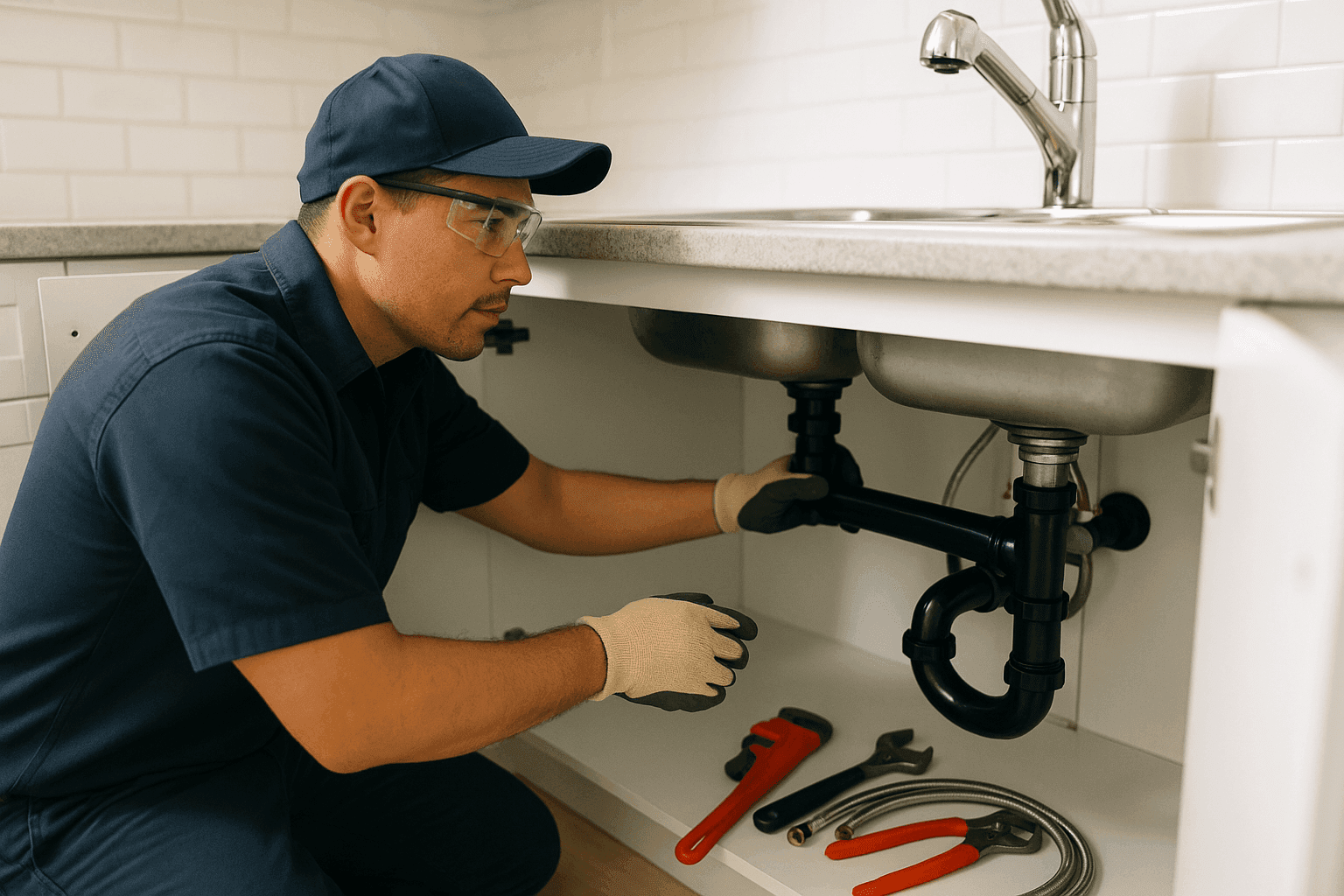
Have you ever woken up to the sound of rushing water — not from your shower, but from somewhere it definitely shouldn’t be? Plumbing emergencies don’t wait for a convenient time. They disrupt mornings, workdays, and sometimes even the entire week. For homeowners and small business owners, a burst pipe or clogged drain can mean lost time, money, and peace of mind.
At Dakota Plumbing, we understand just how stressful these situations can be. That’s why we believe in prevention first. Stopping a disaster before it starts is always easier than cleaning up after one.
Common Causes of Plumbing Emergencies 🚨
Plumbing systems work quietly in the background—until something goes wrong. Here are some of the most common culprits behind emergency plumbing calls:
Leaks
- Dripping faucets may seem harmless, but they waste water and hint at worn washers or faulty valves.
- Hidden leaks inside walls or under floors can cause slow, expensive damage. Think of them as termites for your pipes—silent but destructive.
Clogs
- Kitchen sinks take the brunt of grease, food scraps, and soap residue.
- Bathroom drains collect hair, toothpaste, and the occasional toy.
- Toilets get blocked by too much paper or things that should never be flushed (wipes, cotton swabs, and more).
Pipe Bursts
- Sudden temperature changes (especially freezing) can make pipes expand and crack.
- Old, corroded pipes are ticking time bombs.
Appliance Failures
- Water heaters, dishwashers, and washing machines can spring leaks or break down.
- Faulty installation or skipped maintenance makes these breakdowns more likely.
Often, these issues start small. Catching them early is like noticing a pothole before it becomes a sinkhole.
Routine Maintenance Practices to Prevent Emergencies
A little care goes a long way. Here are some steps you can take to keep your plumbing system healthy:
Drain Cleaning
- Use drain strainers to catch hair and debris.
- Avoid pouring grease or coffee grounds down the sink.
- Flush drains with hot water weekly.
- For stubborn slow drains, Dakota Plumbing recommends professional cleaning every year or two.
Leak Detection
- Check under sinks and around appliances for moisture or mold.
- Watch your water bill for unexplained spikes.
- Listen for running water when everything is off.
- Consider installing leak detectors, especially in basements or near water heaters.
Backflow Prevention
- Backflow devices stop dirty water from flowing the wrong way.
- Schedule backflow testing annually, especially if you have irrigation or fire suppression systems.
Sump Pump Checks
- Test your sump pump every few months by pouring water into the pit.
- Make sure the discharge pipe is clear and directed away from your foundation.
Routine maintenance is like brushing your teeth—skip it too often, and you’re asking for trouble.
Seasonal Preparation Tips
Each season brings its own plumbing challenges. A little preparation can save a lot of headaches.
Winterizing Pipes
- Insulate exposed pipes in unheated areas (garages, crawl spaces, attics).
- Disconnect and drain outdoor hoses.
- Keep a trickle of water running on the coldest nights.
- Know where your main shutoff valve is—just in case.
Summer Checks
- Inspect sprinkler systems for leaks.
- Check washing machine hoses for cracks or bulges.
- Clean gutters and downspouts to prevent water backup.
Remember: Water expands when it freezes. Pipes don’t like surprises.
Early Warning Signs to Watch For
Your plumbing system will often whisper before it screams. Here are signs you shouldn’t ignore:
- Unusual noises: Banging, whistling, or gurgling pipes mean air, pressure problems, or blockages.
- Water pressure changes: Sudden drops can signal leaks or main line issues.
- Slow drains: One slow drain is a nuisance. Multiple slow drains? Time to investigate.
- Rusty or discolored water: Could mean pipe corrosion or sediment in your water heater.
- Damp spots or mold: Even a small patch can hint at a hidden leak.
If you notice any of these, act quickly. Small issues rarely fix themselves.
Practical Tips from Dakota Plumbing Professionals
Our team has seen it all. Here are some of our favorite ways to keep plumbing emergencies at bay:
- Know where your main water shutoff is. Label it clearly.
- Don’t ignore the “little leaks.” Even a drip can add up to gallons.
- Never use chemical drain cleaners—they can damage pipes.
- Schedule regular professional inspections, especially in older buildings.
- Replace rubber washing machine hoses with braided stainless steel.
- Don’t flush anything except toilet paper and, well, what’s supposed to go down.
Following these steps can help you avoid the chaos of an emergency plumbing call.
Actionable Steps You Can Take Right Now
- Check under every sink for signs of leaks.
- Test your sump pump.
- Inspect all visible pipes for rust or corrosion.
- Run water in unused sinks and tubs to keep traps full.
- Make a list of emergency contacts, including Dakota Plumbing.
When to Call a Professional
Some tasks are DIY-friendly. But if you notice:
- Water where it shouldn’t be
- Persistent clogs
- Sudden drops in water pressure
- No hot water
- Signs of gas leaks (rotten egg smell)
…it’s time to call in the pros. Plumbing codes exist for a reason—safety and reliability. The International Plumbing Code and Uniform Plumbing Code set standards for installation and maintenance. Some repairs require permits or specialized tools.
FAQ
How often should I have my plumbing inspected?
For most homes and small businesses, an annual inspection is a good rule of thumb. Older properties or those with frequent issues may need more frequent checks.
Can I prevent frozen pipes myself?
Yes! Insulate pipes, keep cabinet doors open under sinks, and let faucets drip during cold snaps. But if you’re unsure, Dakota Plumbing can help with professional winterization.
Are chemical drain cleaners safe?
We do not recommend them. They can corrode pipes and harm the environment. Use mechanical methods (like plungers or drain snakes) or call for professional drain cleaning.
What should I do if I suspect a gas leak?
Leave the area immediately. Do not use electrical switches or phones inside. Call emergency services and your gas provider from a safe location.
Final Thoughts
Plumbing emergencies don’t have to be part of your story. With a little prevention, regular maintenance, and quick action when you spot warning signs, you can keep your home or business running smoothly.
If you ever face a plumbing challenge—or want peace of mind with a professional inspection—
Call Dakota Plumbing now — or reach us anytime at 888-853-6782 .