Seasonal Plumbing Maintenance: Prepare Your Home for Every Weather Change
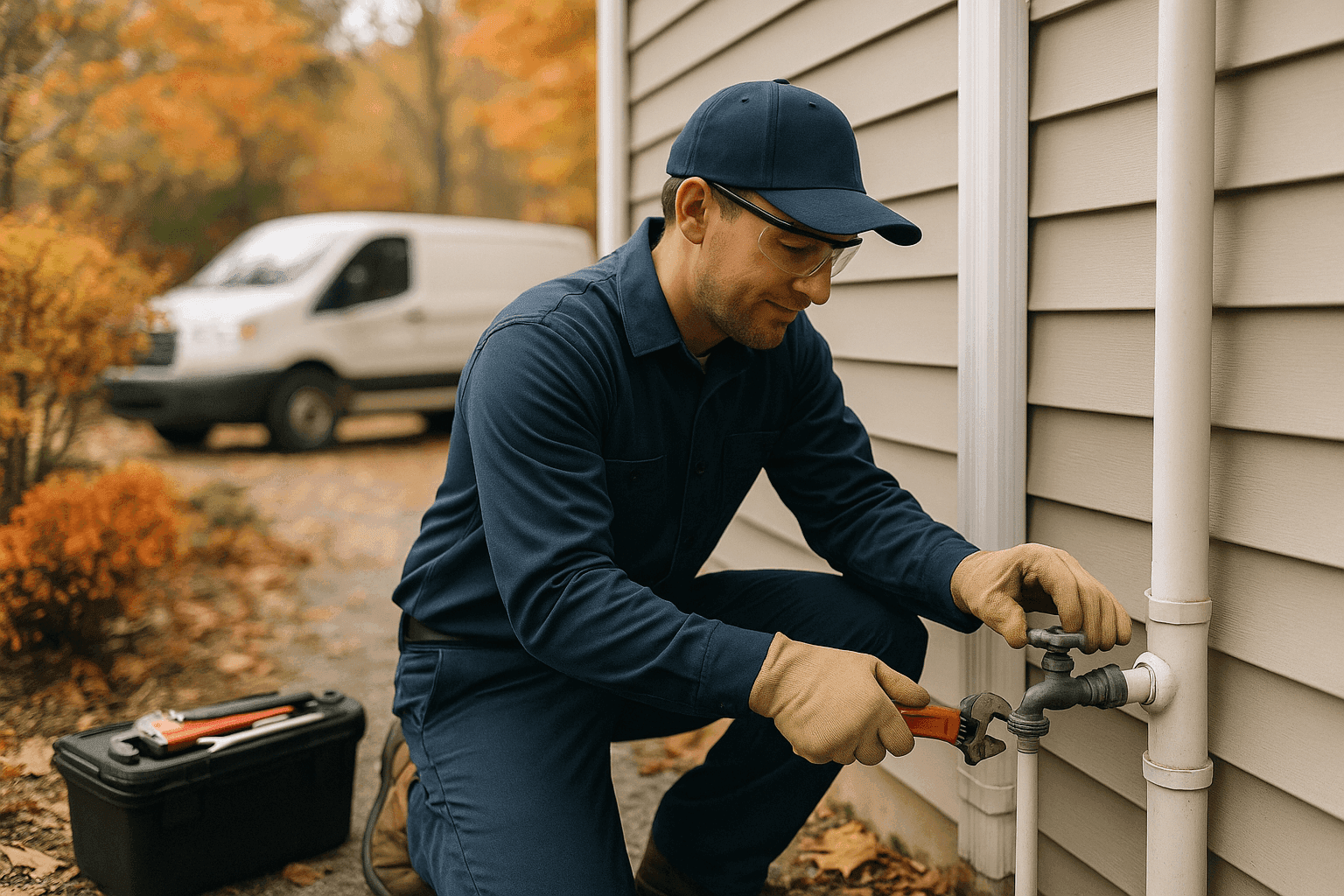
Every season brings its own plumbing surprises. Some are as small as a dripping faucet. Others flood your day like a burst pipe at midnight. Whether you own a home or run a small business, plumbing problems never wait for a convenient time.
Dakota Plumbing knows the weather can turn friendly pipes into foes. With the right seasonal steps, you can dodge emergencies and keep water flowing right where it belongs.
Why Seasonal Plumbing Maintenance Matters
Imagine your plumbing as the veins of your home—always working, rarely seen. Just like your car needs regular oil changes, your pipes, drains, and fixtures need seasonal attention to prevent expensive breakdowns.
Neglect invites trouble: frozen pipes, leaky water heaters, clogged drains, and surprise floods. Emergency plumbing calls spike when the weather shifts. A little prevention now saves a lot of stress—and money—later.
Spring Plumbing Checklist 🌱
Spring breathes life back into your plumbing after a long winter nap. Melting snow and rain test your system’s strength. Here’s how to get ready:
Inspect for Winter Damage
- Check exposed pipes for cracks or leaks left by freezing temperatures.
- Look for water stains on ceilings or walls—these can mean hidden leaks.
- Test outdoor faucets and hoses for leaks or weak water flow.
Clear Drains and Gutters
- Remove debris from gutters and downspouts to prevent water pooling near foundations.
- Schedule drain cleaning to clear out gunk that built up during winter.
Sump Pump Testing
- Pour water into the sump pit to make sure the pump switches on.
- Listen for odd noises—grinding or rattling can signal trouble.
Water Heater Check
- Flush your water heater to remove sediment and boost efficiency.
- Inspect for rust or moisture around the base.
Gas Safety Checks
- Have gas lines inspected for leaks or corrosion, especially if you use gas heating.
Tip: The International Association of Certified Home Inspectors recommends annual sump pump testing and seasonal water heater flushing.
Summer Plumbing Checklist ☀️
Summer brings heavy use—think garden hoses, sprinklers, and backyard parties. Your plumbing works overtime.
Watch for Water Pressure Changes
- Test water pressure at faucets and outdoor spigots.
- Sudden drops can mean hidden leaks or mineral buildup.
Inspect Sewer and Septic Lines
- Tree roots grow fast in summer—look for slow drains or gurgling toilets.
- Schedule a sewer line inspection if you notice backups.
Garbage Disposal Care
- Run cold water when using the disposal.
- Avoid fibrous foods (like corn husks) that can jam the blades.
Preventative Leak Detection
- Look under sinks for moisture or mold.
- Check washing machine hoses for bulges or cracks.
Fixture Installation and Repair
- Upgrade old fixtures to water-saving models.
- Fix drippy faucets before they waste gallons.
Tip: The U.S. Environmental Protection Agency recommends checking for leaks each summer to save water and avoid costly surprises.
Fall Plumbing Checklist 🍂
As leaves fall and temperatures drop, your plumbing needs a little TLC to get ready for winter’s chill.
Insulate Pipes
- Wrap exposed pipes in foam or insulation sleeves.
- Pay special attention to garages, basements, and crawl spaces.
Drain Outdoor Faucets
- Disconnect hoses and drain water from outdoor spigots.
- Install frost-proof covers if needed.
Water Heater Prep
- Set water heater temperature to 120°F for safety and efficiency.
- Flush sediment before winter demand increases.
Test Sump Pump Again
- Rainy autumns can flood basements—test your pump before storms hit.
Backflow Prevention
- Schedule backflow testing to keep contaminants out of your water supply.
Tip: The American Red Cross recommends insulating pipes before the first freeze to prevent winter disasters.
Winter Plumbing Checklist ❄️
Winter is plumbing’s biggest test. Freezing pipes, burst lines, and water heater strain are common.
Prevent Frozen Pipes
- Keep cabinet doors open to let warm air reach pipes.
- Let faucets drip during deep freezes to keep water moving.
- Seal cracks in walls and foundations near pipes.
Monitor Water Heaters and Boilers
- Check pilot lights and listen for odd noises.
- Schedule boiler repair at the first sign of trouble.
Emergency Plumbing Readiness
- Know where your main shut-off valve is.
- Have Dakota Plumbing’s number handy for fast help.
Inspect for Leaks
- Look for frost or condensation on pipes.
- Check ceilings and walls for new stains.
Tip: The National Fire Protection Association stresses the importance of gas safety checks for boilers and water heaters every winter.
Quick Safety Checklist
- Locate your main water shut-off valve.
- Test all GFCI outlets near water sources.
- Keep emergency plumbing contacts accessible.
- Never use open flames to thaw pipes.
- Install carbon monoxide detectors near gas appliances.
DIY vs. When to Call Dakota Plumbing
Some maintenance is safe for handy homeowners. But certain jobs need a licensed plumber’s know-how.
Safe DIY Tasks
- Flushing the water heater (follow manufacturer instructions).
- Cleaning gutters and downspouts.
- Checking for visible leaks.
- Insulating exposed pipes.
Call a Professional If:
- You spot mold, water stains, or persistent leaks.
- Drains clog repeatedly or back up.
- Water pressure drops suddenly.
- You hear banging or rattling in pipes.
- You smell gas or suspect a leak.
Remember: Small mistakes can lead to big repairs. Don’t risk damage or safety for a DIY fix.
What Dakota Plumbing Does on Arrival
When you call Dakota Plumbing, here’s what you can expect:
- Thorough inspection—inside and out, from pipes to appliances.
- Leak detection using advanced tools (like thermal cameras and moisture meters).
- Drain cleaning with professional-grade equipment.
- Testing and repairing sump pumps, water heaters, and fixtures.
- Gas safety checks and backflow testing.
- Clear explanations of what’s wrong and how to fix it.
We’ll also share tips to keep your system running smoothly, season after season.
Preventative Maintenance: Your Plumbing Shield
Think of preventative maintenance as an umbrella for your plumbing. It keeps the storm at bay.
- Schedule annual inspections with a licensed plumber.
- Flush water heaters and clean drains regularly.
- Check washing machine, dishwasher, and ice maker hoses.
- Install water filtration systems to reduce mineral buildup.
- Test sump pumps and backflow devices before rainy seasons.
- Replace old or corroded pipes before leaks form.
A little effort now can prevent emergency plumbing calls later.
Costs & Time Factors
Plumbing maintenance costs vary by task and urgency. Here’s what to expect:
- Routine inspections are quick—often under an hour.
- Drain cleaning and leak detection may take 1–2 hours.
- Major repairs (like pipe replacement or sewer line work) can take a day or more.
- Emergency plumbing calls usually cost more, especially after hours or on holidays.
Investing in seasonal maintenance is usually far less expensive than repairing water damage or replacing ruined fixtures.
When It’s an Emergency
Not sure if you need emergency plumbing help? Here are the warning signs:
- Water is flooding your home or business.
- You smell gas or see sparks near appliances.
- Pipes have burst or frozen solid.
- Toilets or drains are backing up into sinks, tubs, or floors.
- There’s no water at all from your taps.
In these cases, call Dakota Plumbing right away. Turn off your main water supply if you can do so safely.
Seasonal Plumbing FAQ
How often should I schedule plumbing maintenance?
Aim for a checkup at least once a year, plus quick checks each season. Major appliances (like water heaters) benefit from annual attention.
What’s the best way to prevent frozen pipes?
Insulate exposed pipes, let faucets drip during freezes, and keep heat on—even in unused rooms.
Can I flush my own water heater?
Yes, but follow the manufacturer’s instructions carefully. If you’re unsure, ask a professional.
Are chemical drain cleaners safe?
Most are harsh and can damage pipes over time. Regular professional drain cleaning is safer and more effective.
Special Considerations for Homes & Small Businesses
- Older buildings may have outdated plumbing that needs extra attention.
- Businesses should schedule maintenance after hours to avoid disruption.
- Properties with basements are more prone to sump pump and sewer issues.
- If you have a water filtration system, replace filters as recommended.
Stay ahead of the weather—and the next plumbing surprise.
Call Dakota Plumbing now — or reach us anytime at 888-853-6782 .