Sump Pump Failure: Warning Signs & Emergency Fixes
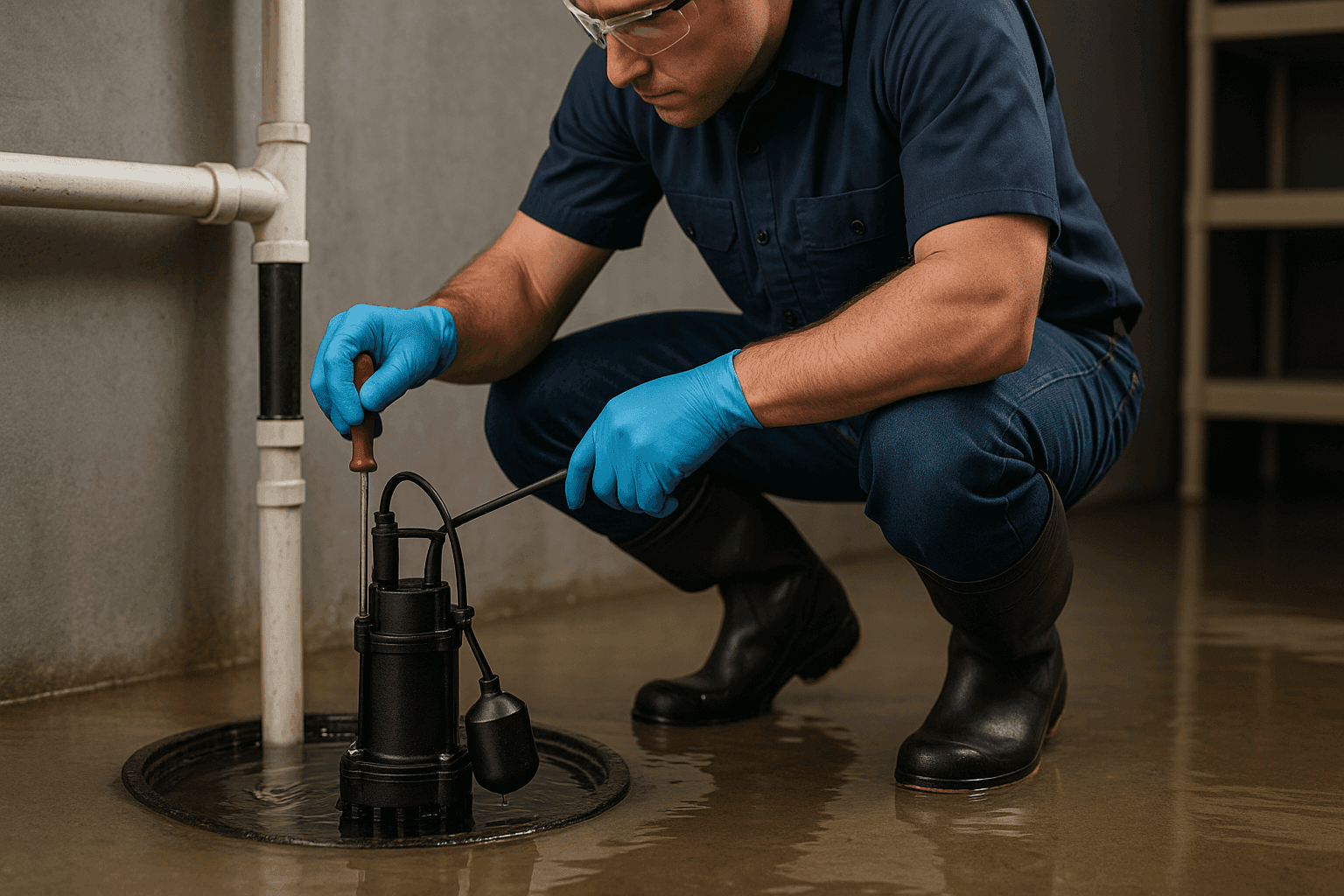
When your sump pump stumbles, it doesn’t send a calendar invite. Water creeps in — quietly, quickly, and without mercy. One heavy storm, and you’re ankle-deep in regret.
Dakota Plumbing knows that panic. We’ve been there at 2 a.m., boots sloshing, helping families and businesses salvage what matters most. If you’re reading this, you want to act fast, protect your space, and sleep dry tonight.
Why Sump Pumps Fail 🛑
Sump pumps are the unsung heroes of basements. But even heroes have weak spots. Here’s why they let you down:
- Power Outages: Storms knock out the juice, your pump goes silent, and water has a field day.
- Stuck Switches: The float switch jams, and the pump won’t cycle on — or worse, never shuts off.
- Clogged Discharge Lines: Dirt, ice, or critters block the path, so water stays put.
- Old Age: Like sneakers, pumps wear out. Most last 7–10 years (source: International Association of Certified Home Inspectors).
- Improper Installation: Pumps set on loose gravel or installed off-level struggle and fail early.
- Overwhelmed by Volume: Some storms simply outclass a pump’s capacity.
Top Warning Signs
A sump pump rarely fails in silence. Know what to watch for:
- Weird Noises: Grinding, rattling, or humming — like a washing machine full of rocks.
- Constant Cycling: Turns on and off more than usual, especially when it’s dry outside.
- Water in the Basement: Damp spots, puddles, or a rising tide.
- Vibrations or Shakes: The unit trembles violently.
- No Response: Pump doesn’t start, even when water rises.
- Visible Rust or Corrosion: Signs of age, leaks, or mineral buildup.
- Musty Odors: Mold and mildew love a wet basement.
If you spot any of these, it’s time to act.
DIY Troubleshooting
Sometimes, you can buy yourself precious time with a quick check. Try these steps:
- Check the Power: Make sure the pump is plugged in. Reset the GFCI outlet if needed.
- Inspect the Pit: Remove debris or gravel that could jam the float.
- Test the Pump: Pour a bucket of water into the pit. Watch for proper cycling.
- Examine the Discharge Line: Clear any blockages outside.
- Listen Carefully: Odd sounds? It could be a stuck or damaged impeller.
- Smell for Trouble: Odors mean water’s been sitting — not moving.
Important: Never reach into water if you suspect electrical faults. Electricity and water do not mix.
When to Call for Emergency Repair 🚨
Some problems can’t wait. Call Dakota Plumbing’s 24/7 emergency plumbing team if:
- The pump won’t start or stop
- Water is rising fast
- There’s a burning smell or smoke
- You see sparks or hear popping from the pump
- Flooding is threatening electrical panels or appliances
We handle emergencies day and night — for both homes and businesses.
Flood Prevention Tips
Don’t let the next storm catch you off guard. Here’s how to stack the odds in your favor:
- Install a Backup Battery or Water-Powered Pump: Keeps things running during outages.
- Schedule Preventative Maintenance: Annual checkups catch issues before disaster strikes.
- Test Monthly: Pour water to confirm cycling, especially ahead of rainy seasons.
- Clear Debris Regularly: Both inside the pit and outside at the discharge point.
- Keep Valuables on Shelves: Store items off the basement floor.
- Install Water Alarms: Early alerts give you more time to act.
- Check Local Codes: Some areas require specific pump types or discharge methods (reference: local building authority or the National Plumbing Code).
Long-Term Prevention: What the Pros Do
Dakota Plumbing’s storm prep isn’t just a checklist. It’s a shield. Here’s our process:
- Full Inspection: We check power, pit, pump, and discharge for hidden risks.
- Backflow Prevention: Stops sewer water from backing up during heavy rain.
- Leak Detection: Finds small leaks before they become waterfalls.
- Sewer Line Repair near you: We make sure your drains are ready for anything.
- Upgrade Recommendations: If your pump is outdated, we’ll suggest the best next step.
Costs & Time Factors
Wondering what you’re in for? Here’s what affects the bill and the clock:
- Emergency vs. Routine: Emergency plumbing calls cost more, especially after hours.
- Pump Type & Age: Older or unusual models may need special parts.
- Extent of Water Damage: More water means more cleanup and possible mold mitigation.
- Replacement vs. Repair: Swapping out an old pump takes longer than a quick fix.
- Accessibility: Tight pits or finished basements take extra care.
Most emergency repairs are completed in hours, not days — but severe flooding or mold cleanup can extend timelines.
FAQ
How often should I test my sump pump?
Test it monthly by pouring a bucket of water into the pit to make sure it cycles on and off.
Can I DIY a sump pump replacement?
It’s possible for handy homeowners, but mistakes can lead to bigger issues. Always follow local safety codes.
What if my backup pump fails too?
Call for emergency plumbing help. We can provide temporary solutions and advise on better backup setups.
Is insurance likely to cover sump pump failure?
Policies differ. Some include water damage from pump failure; others need special riders. Ask your insurer for details.
Local & Seasonal Considerations 🌧️
Heavy rains and fast snow melts put extra pressure on sump pumps. Spring and fall are the most common seasons for failures, but frozen discharge lines in winter can be just as sneaky. If your property sits below street level or in a flood-prone area, extra vigilance is key.
Dakota Plumbing serves both residential and commercial properties year-round. Our team is always storm-ready — so you can be, too.
When water’s rising and time is tight, Dakota Plumbing stands ready. Don’t let a failed sump pump flood your peace of mind.
Call Dakota Plumbing now — or reach us anytime at 888-853-6782 .