Toilet Troubleshooting: Common Issues and Quick Fixes
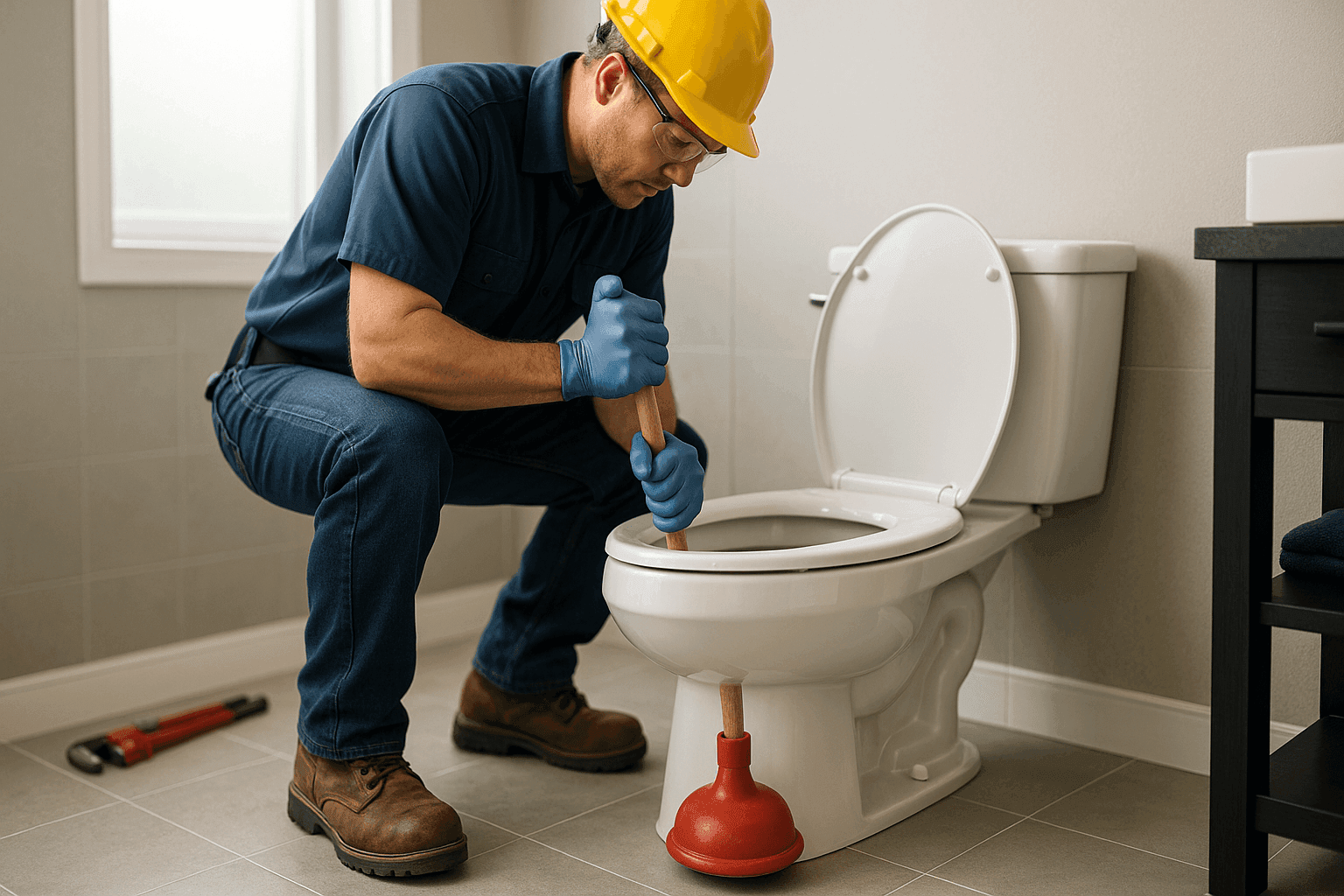
Is your toilet giving you trouble at the worst possible time? Maybe it’s late at night. Or you’re hosting guests. Suddenly, water is rising in the bowl, and panic sets in. We get it. At Dakota Plumbing, we see these scenarios every day. Whether it's an overflowing toilet at home or a clogged restroom at work, our emergency plumbing team knows how urgent—and stressful—these situations can be.
Toilets are workhorses. Yet, even the best ones have their moments. This guide arms you with practical knowledge: how to spot the most common toilet issues, try safe fixes, and know when it’s time to call a professional. Let’s keep things moving—literally and figuratively.
Types of Toilet Issues 🚽
Toilets can act up in many ways. Some problems are obvious; others sneak up quietly. Here are the most common:
- Clogs: Usually from too much paper, foreign objects, or buildup in the pipes.
- Running toilets: When water keeps flowing from the tank to the bowl, wasting gallons.
- Leaks: Water pooling around the base or dripping from the tank.
- Weak flush: The bowl doesn’t clear fully, leaving behind debris.
- Phantom flushes: The toilet refills randomly, as if it flushed itself.
- Gurgling noises: Air in the pipes or a main sewer line problem.
- Loose handles or parts: Makes flushing unreliable or impossible.
Sometimes, these issues are minor annoyances. Other times, they point to bigger problems with your plumbing system—like an issue that could end up needing Sewer Line Repair near you.
DIY Fixes for Homeowners
You don’t need a toolbox the size of a minivan to handle basic toilet fixes. Some simple actions can save the day:
- For Clogs: Grab a plunger. Place it over the drain hole, push down gently, then pull up sharply. Repeat with gusto. This creates enough suction to dislodge most blockages.
- Continuous Running: Open the tank lid. Check the flapper—a rubber stopper at the bottom. If it’s warped or not sealing, adjust it or replace it (most hardware stores carry these).
- Leaky Base: Tighten the bolts at the toilet base, but don’t overdo it. If water still seeps out, the wax ring underneath may be shot. That’s a job for a pro.
- Weak Flush: Check for mineral buildup in the rim holes under the bowl edge. A wire hanger can help clear these. Also, make sure the water level in the tank is set about an inch below the top of the overflow tube.
Safety tip: If you suspect a leak, turn off the water supply behind the toilet before attempting repairs.
Sometimes, the solution is as simple as jiggling the handle. Other times, it’s like wrestling an alligator in a phone booth. If in doubt, don’t force it.
Commercial Restroom Tips
A clogged or leaking toilet in a business restroom can quickly send customers running for the exits. Here’s what commercial property managers should watch for:
- Frequent clogs: Could be a sign of low-flow toilets not suited to high use, or hidden blockages deeper in the lines.
- Multiple running toilets: Wastes water fast; check flush valves and flappers regularly.
- Odors or slow drains: Usually means buildup in sewer lines or venting problems.
Quick fix: Keep a heavy-duty plunger and basic toolkit handy. Post simple usage guidelines in restrooms to prevent accidental clogs (e.g., reminders not to flush wipes or paper towels).
If your commercial toilets are acting up, Dakota Plumbing’s emergency plumbing team can address everything from minor repairs to full Sewer Line Repair near you.
Preventing Future Problems ✨
An ounce of prevention keeps the plumber away—or at least keeps emergencies to a minimum.
- Don’t flush anything but toilet paper. No wipes, no feminine products, no goldfish funerals.
- Regularly inspect: Check for leaks, loose handles, or running water monthly.
- Soften your water: Hard water can cause mineral buildup. Consider a water filtration system to protect pipes and fixtures.
- Educate family or staff: A little awareness goes a long way in avoiding accidental clogs.
- Schedule annual maintenance: Dakota Plumbing can inspect for hidden leaks, test water pressure, and check for slow-developing problems.
According to the International Plumbing Code, regular maintenance is key to avoiding major repairs and keeping your property up to code.
Professional Solutions
Some problems need more than elbow grease and a plunger.
- Stubborn clogs: Dakota Plumbing uses augers or hydro-jetting to clear tough blockages.
- Persistent leaks: Our team finds the source—whether it’s a cracked supply line, failed wax ring, or corroded tank bolts—and fixes it fast.
- Toilet replacement: If your unit is cracked, outdated, or losing efficiency, we handle full fixture installation.
- Hidden sewer issues: Using advanced leak detection and camera inspection, we track down problems in your main lines.
With experience across all toilet brands, our technicians know their way around every flush, fill, and seal.
Preventing Future Problems
It’s not just about fixing what’s broken. Here’s how to sidestep repeat issues:
- Flush with care: Only toilet paper.
- Upgrade outdated toilets: Older models use more water and clog more easily.
- Address small issues early: That running toilet might seem harmless, but it could mean a big water bill—or worse, hidden leaks.
Routine checkups from Dakota Plumbing can help you spot and fix minor problems before they snowball.
When to Call Dakota Plumbing
If you hit a wall—or the water’s rising fast—don’t wait. Here’s when to pick up the phone:
- Water won’t stop flowing after multiple attempts with the shutoff valve.
- You notice water near the base of the toilet or on the ceiling below.
- Unusual gurgling or bubbling in other drains when you flush.
- Recurring clogs or slow drains throughout the property.
- You smell sewage or musty odors.
These signs could point to bigger issues like sewer line blockages, backflow, or hidden leaks. Our emergency plumbing team is ready—day or night.
FAQ
Q: Why does my toilet keep running after I flush?
A: Usually, it’s a worn-out flapper or a misaligned fill valve inside the tank. Quick DIY parts swaps can solve this, but if it keeps happening, you may have a deeper issue.
Q: What if my toilet overflows and I can’t stop it?
A: Shut off the valve behind the toilet (turn clockwise). Mop up standing water to prevent damage, then call a plumber.
Q: Is a gurgling toilet dangerous?
A: It can mean a blocked vent or even a main sewer line problem. If you notice gurgling along with slow drains, call a professional right away.
Q: Can I use chemical drain cleaners?
A: It’s best to avoid them. Harsh chemicals can damage pipes and harm the environment. Physical methods (like plungers or augers) are safer.
Local and Seasonal Considerations 🌦️
Toilet problems aren’t just about what happens in the bathroom. Seasonal changes can play a role:
- Winter: Pipes can freeze and burst, especially in older properties. Insulate exposed pipes and keep the bathroom warm.
- Spring & Summer: Heavy rains can overload sewer systems, causing backups into toilets. Watch for slow drains after storms.
- Local codes: Always ensure repairs and installations meet your area’s plumbing codes. Dakota Plumbing follows current standards from the Uniform Plumbing Code and local authorities to keep your property safe.
Even the best DIY fix has its limits. When you’re out of options—or just tired of wrestling with the plunger—help is a call away. Call Dakota Plumbing now — or reach us anytime at 888-853-6782 .