Water Heater Repair or Replace? How to Decide & What It Costs
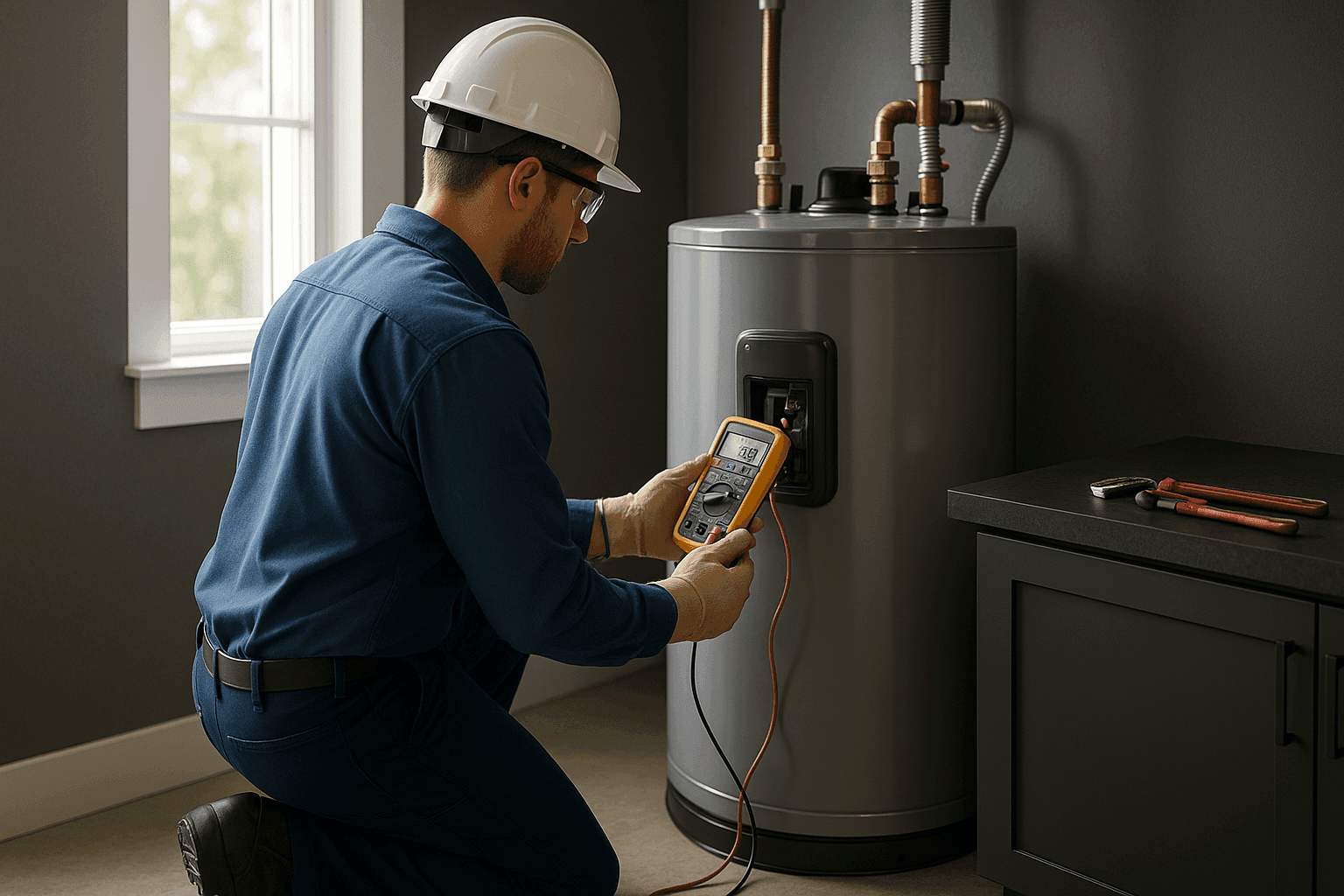
Is your shower suddenly icy cold? Water heater acting up right when you need it most? You’re not alone. Water heaters have a habit of failing at the worst times—late at night, during family gatherings, or in the middle of a busy workday. Dakota Plumbing knows emergencies don’t wait for convenient hours.
Homes and businesses across the region have relied on us for years. We handle every kind of emergency plumbing issue, from quick fixes to full water heater replacements. If you’re left wondering, “Should I repair or replace?” you’re in the right place.
Common Water Heater Issues 🛠️
Water heaters aren’t immortal. Most last 8–12 years, sometimes longer with regular attention. But when age catches up, here’s what you might notice:
- No hot water: The most obvious sign. But it could be a simple fix or a deeper issue.
- Strange noises: Rumbling, popping, or hissing from the tank isn’t normal. Sediment builds up, making your heater work overtime.
- Leaking water: Any pooling around your heater is a red flag. Even a small drip can lead to major water damage.
- Rusty water: Brown, red, or dirty water from your taps may signal a corroded tank.
- Inconsistent temperature: Hot water that swings from scalding to cold can point to thermostat or element trouble.
- Higher energy bills: If your bills are creeping up, your heater’s losing efficiency.
Ignoring these signs is like driving with the check engine light flashing. Sooner or later, the problem gets bigger—and more expensive.
When to Repair vs. Replace
Not every hiccup means it’s time for a new water heater. Sometimes a targeted repair does the trick. But sometimes, replacement is the smart move.
Repair Makes Sense When:
- Your heater is less than 8 years old.
- The problem is limited (like a faulty thermostat or heating element).
- There’s no sign of tank rust or large leaks.
- The cost of repair is less than half the price of a new unit.
Replacement is Best When:
- The tank is leaking. Once steel rusts through, there’s no patching it.
- The unit is over 10–12 years old.
- You need frequent repairs—costs add up fast.
- You want to upgrade to a more efficient model (like tankless).
- Hot water demand has grown (family, new appliances, or business needs).
Think of it like shoes: sometimes a new sole gives them life, but if they’re full of holes, it’s time for a new pair.
Cost Comparison 💲
The big question: how much will this set me back?
- Repairs: Simple fixes—like replacing a thermostat or pressure relief valve—can range from $100 to $500, depending on parts and labor.
- Replacement: A standard tank water heater (40–50 gallons) installed runs $1,000–$2,500, including labor and haul-away. Tankless models cost more up front—$2,500–$5,000 installed—but save energy (and money) every month.
- Other factors: Gas vs. electric, local code requirements, accessibility, and extra plumbing work (like repiping or new venting) all affect price.
- Downtime: Most repairs take 1–3 hours. Full installs may need half a day.
It’s wise to weigh repair costs against the age and efficiency of your heater. Replacing an old, inefficient unit could pay for itself over time.
Choosing the Right Model
Water heaters aren’t one-size-fits-all. Here’s what to keep in mind:
Tank vs. Tankless
- Tank models: Tried-and-true. Store hot water for ready use. Good for steady, moderate demand.
- Tankless: Heat water on demand. No waiting. Space-saving, longer lifespan (15–20 years), and use less energy—but higher initial cost.
- Hybrid/heat pump: Even more efficient but need extra space and specific installation conditions.
Sizing
- Too small, and you’ll run out mid-shower. Too large, and you’re paying to heat water you don’t use. Choose based on peak use (number of people, appliances, business needs).
Energy Source
- Gas heats faster and usually costs less to run, but needs venting.
- Electric is easier to install and maintain, but may take longer to heat.
Safety & Codes
Always install according to local codes and the manufacturer’s instructions. The National Fuel Gas Code (NFPA 54) and Uniform Plumbing Code set the standards for safe and legal installation. Dakota Plumbing follows every rule to the letter, so you’re protected.
Professional Installation Matters 🧰
Installing or repairing a water heater isn’t just swapping parts. It’s about:
- Safe gas and electrical connections: Mistakes can cause leaks, fires, or electrocution.
- Proper venting: Prevents deadly carbon monoxide buildup.
- Pressure relief: Every unit needs a working pressure relief valve to avoid explosions.
- Code compliance: Avoid fines, insurance headaches, and unsafe shortcuts.
Dakota Plumbing’s licensed team handles every major brand and model. Emergency installs? We’re ready—day or night. Homes, offices, restaurants, schools—we’ve seen it all.
Practical Tips to Spot Trouble Early
- Check for leaks every month—especially around the base.
- Flush the tank annually to prevent sediment build-up. (See manufacturer’s guide for steps.)
- Test the pressure relief valve every six months.
- Listen for new noises and call if you notice rumbling or hissing.
- Watch your water bills for unexplained increases.
Staying alert can turn a small fix into big savings.
Water Heater FAQ
How long should a water heater last?
Most tank models give 8–12 years. Tankless can last 15–20 years with regular service.
Is it dangerous to keep using a failing water heater?
Yes—leaks can cause water damage, mold, or even burst tanks. Faulty gas connections risk fire or carbon monoxide poisoning.
Can I install a water heater myself?
Most local codes require a licensed pro, especially for gas or commercial units. DIY mistakes can be costly and unsafe.
What’s the best water heater for a business?
Depends on demand. Tankless or high-efficiency commercial tanks often work best. Dakota Plumbing can size and recommend the right fit.
Local and Seasonal Considerations 🌦️
Cold winters mean your heater works harder. Frozen pipes and higher demand can lead to faster wear—or sudden breaks. Schedule preventative maintenance before winter hits. In the summer, sediment builds up faster in hard water areas—flush your tank regularly.
Whether you’re searching for “Sewer Line Repair near you” or need emergency plumbing for a broken heater, Dakota Plumbing is ready. We help both homes and businesses with installs, safety checks, and repairs year-round.
Hot water shouldn’t be a guessing game. If your water heater is acting up—or you want an honest opinion on repair vs. replacement—Call Dakota Plumbing now — or reach us anytime at 888-853-6782 .